Everyday Health Articles | SupplementRelief.com

Health develops through patterns, routines, and experiences repeated over time.
Everyday Health explores how health develops through daily life and how supplements may fit within a broader educational and routine context. Topics include nutrition, movement, recovery, mental and emotional health, behavior patterns, environment, adaptation, supplement ingredients, formulations, and everyday use.
The blog brings together educational content from across SupplementRelief.com, including cornerstone article series, focused deep dives, reference articles, supplement education resources, and broader discussions that support the Whole-Person Health Model and the Supplement Education Model.
Readers looking for a structured learning path may wish to begin with the Everyday Health Series, which organizes major topics into connected collections of articles. Individual articles can also be explored by topic or through the latest published content below.
328 Blog Posts Found

April 21, 2026Deep dive
Fish oil and other marine-based supplements are commonly discussed as concentrated sources of fats derived from ocean-based organisms. These products are typically associated with oils, softgels, liquid supplements, and long-term routine use rather than isolated moments of intake.

April 18, 2026Series article
Eating patterns are not fixed. Over time, they shift in response to routines, preferences, and changing circumstances. These changes reflect how daily life evolves rather than following a single, unchanging system.

April 13, 2026Series article
Therapeutic and condition-specific diets are structured eating patterns developed for defined purposes. In everyday life, these approaches are often adapted to fit individual routines and real-world conditions.

April 10, 2026Series article
Restrictive and elimination diets focus on removing specific foods or ingredients for a defined purpose. In everyday life, these approaches are often temporary and tailored to individual routines and experiences.

April 7, 2026Series article
Paleo and ancestral diets are based on ideas about how people ate in the past. In everyday life, these patterns are interpreted differently depending on preferences, routines, and available foods.
April 4, 2026Series article
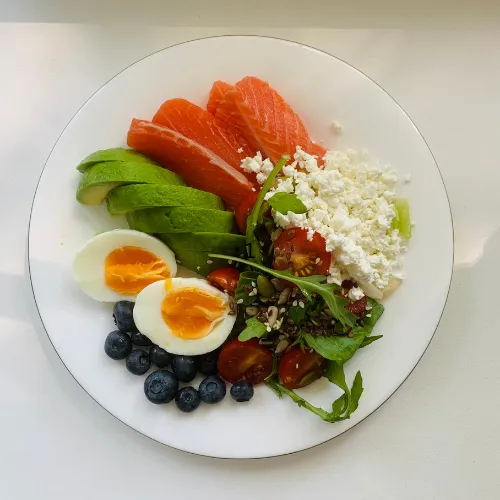
Low-carbohydrate and ketogenic diets are defined by reducing carbohydrate intake and emphasizing fats and proteins. In everyday life, these patterns are interpreted and applied with varying levels of structure.

March 27, 2026Series article
Many people do not follow a single diet type consistently. Instead, eating patterns often combine elements from multiple approaches, shifting across meals, days, and environments.

March 24, 2026Series article
Plant-based diets are often described as clearly defined categories, but in practice, they exist on a spectrum. Food choices vary depending on how strictly animal products are limited and how individuals structure their daily routines.

March 20, 2026Series article
Some diet types are designed for research or structured use rather than developed through tradition. Specific criteria define these patterns and are often interpreted more loosely in everyday life.

March 17, 2026Series article
Some diet types are based on long-standing cultural eating patterns rather than structured rules. These patterns reflect shared habits, food availability, and daily routines developed over time.

March 13, 2026Series article
Most people do not follow a single diet type consistently. Eating patterns tend to overlap, shift, and adapt over time, making diet labels an imperfect way to describe how people actually eat.

March 10, 2026Series article
Diet types are often treated as clearly defined ways of eating, but in everyday life, they function more as general patterns than strict rules. A label usually points to a recognizable direction-such as emphasizing certain food groups or limiting others-but it rarely captures the full structure of how someone actually eats across a normal week.

March 7, 2026Series index
This educational series explains how common diet types are defined, interpreted, and applied in everyday life, emphasizing real-world eating patterns rather than rigid rules.
February 28, 2026Series article
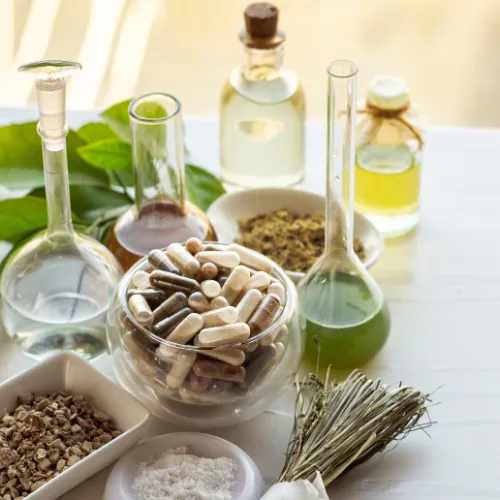
Some supplements do not fit neatly into categories such as vitamins, minerals, herbs, or fatty acids. Instead, they are often grouped by specific compounds, combinations, formulations, or by how they are described in relation to particular routines or areas of focus. These are commonly referred to as specialty compounds or targeted supplements.
February 21, 2026Series article
Probiotics and enzymes are often discussed together because they are both associated with digestion and internal balance. While they are sometimes grouped in the same category, they function in very different ways. Understanding how they differ helps place them within the broader context of everyday nutrition and supplement use.
February 15, 2026Deep dive
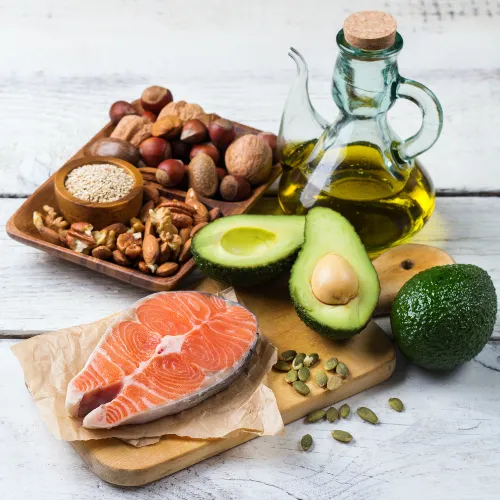
Fats are commonly grouped by chemical structure, food source, and how they appear in oils and everyday eating patterns. Saturated, monounsaturated, and polyunsaturated fats are the three major categories used in most nutrition discussions.
February 14, 2026Series article
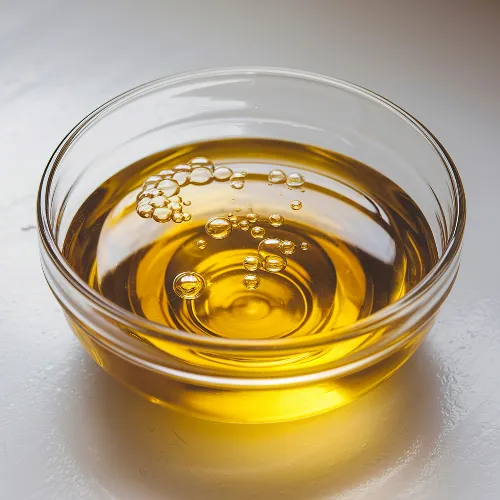
Fatty acids and lipid-based supplements are commonly associated with how the body uses fats as part of everyday nutrition. They are often discussed in relation to oils, structural components of cells, and longer-term patterns of intake rather than immediate or isolated effects.
February 12, 2026Series article
Amino acids and protein-based supplements are commonly associated with how the body builds, repairs, and maintains tissues over time. They are often discussed in relation to muscle, recovery, and overall structural support, but their roles extend beyond physical performance into many everyday processes.
February 11, 2026Series article
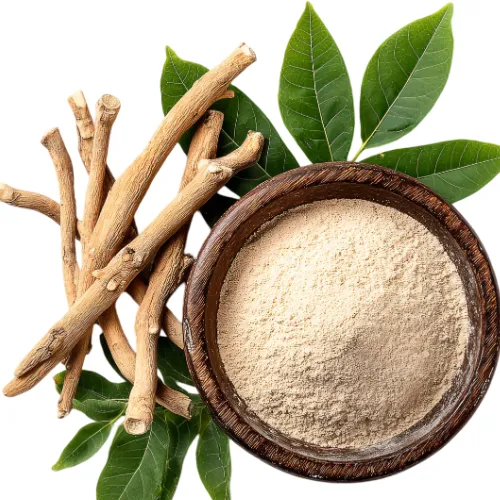
Herbal supplements are derived from plants and have been used across different cultures for a wide range of purposes. They are typically made from leaves, roots, flowers, seeds, or bark, and are prepared in forms such as capsules, powders, teas, or extracts.

February 10, 2026Series article
Vitamins and minerals are among the most familiar types of supplements. They are often associated with basic nutrition and are commonly used to support intake when food alone may not fully meet everyday needs. These nutrients are essential for a wide range of normal body functions, including metabolism, tissue maintenance, and cellular activity.

February 9, 2026Series index
This educational series explains how supplements are grouped into categories and how different ingredients, formulations, and product types are commonly understood.

January 11, 2026Series article
Supplement routines rarely stay the same over long periods. As daily life changes, the way supplements fit into routines often changes as well. Reconsidering what you take is a normal part of supplement use and usually reflects shifting habits, priorities, and experience rather than something going wrong.

January 10, 2026Series article
Changes related to supplements are rarely obvious in a single moment. Instead, they are usually recognized by looking back over time and noticing how daily routines feel. Because supplements support processes that change gradually, meaningful evaluation tends to come from observing patterns across weeks or months rather than expecting immediate clarity.

January 9, 2026Series article
One of the most common sources of confusion around supplements is timing. Many people expect noticeable change within days, yet most supplements work gradually. Instead of creating immediate results, they support processes that unfold over weeks or months, which is why changes are often subtle and take time to recognize.

January 8, 2026Series article
For a supplement to have any effect, it first has to be absorbed and used by the body. This step often gets less attention than ingredients or dosage, but it plays a major role in how supplementation is actually experienced. Differences in delivery form can influence how nutrients move through digestion and become available for use, which is why two people can take the same supplement and have different experiences depending on absorption and daily routine.

January 7, 2026Series article
Supplement effects are often talked about in terms of results, but in everyday life, they are more commonly noticed as small shifts in how daily routines feel. Because supplements support gradual processes, changes tend to show up as steadiness rather than dramatic turning points.

January 7, 2026
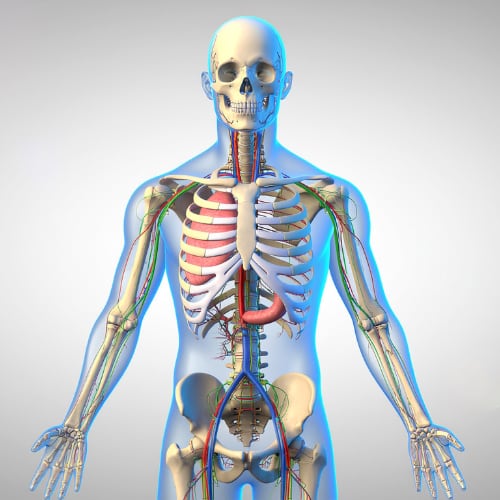
Many adults reach a point where energy, focus, or motivation no longer feel as steady as they once did. This experience is often described in vague terms such as feeling flat, burned out, or not quite oneself. Understanding what drives these changes helps clarify what lifestyle adjustments and supportive tools can realistically contribute.
January 6, 2026Series article
Supplements are often talked about as if they create change on their own, yet in practice, they are added into a body that is already working continuously. Digestion, repair, energy production, and adaptation occur continuously. Supplements enter this ongoing activity as additional inputs rather than independent drivers of change.

January 6, 2026Supporting article
Foundational nutrition is a term commonly used to describe the baseline nutrients people rely on day to day, independent of short-term goals or targeted support. Rather than focusing on correcting a specific issue, a nutritional foundation is meant to provide steady, broad coverage that supports normal daily function. The intent is continuity and reliability, not rapid change.

January 5, 2026Series index
This educational series explains how supplements are commonly used within everyday health and how they fit alongside eating, movement, sleep, stress, and other daily patterns.

January 5, 2026
Protein powders are commonly used as a practical way to help maintain consistent protein intake when eating patterns vary from day to day. They are concentrated sources of dietary protein derived from dairy or plant foods and are usually incorporated alongside meals and snacks rather than treated as completely separate from food.
January 4, 2026
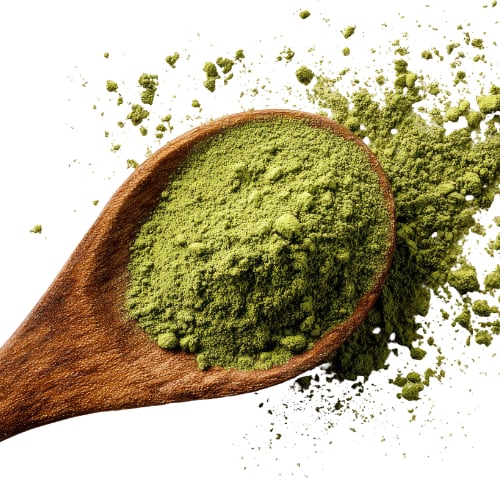
Greens powders are concentrated blends of dried plant ingredients, usually mixed with water or other beverages. Formulas range from simple powdered greens to multi-ingredient blends with added plant concentrates. Because the label is broad, taste, texture, and ingredient profiles vary widely. The role of greens powders in everyday eating is modest and best understood alongside regular meals rather than as a replacement.

December 11, 2025
Seasonal gatherings, travel, weather changes, and shifting routines place extra demands on the immune system. Energy, sleep, and nutrition patterns often change during these periods, and daylight exposure may drop sharply. Understanding how these factors influence immune resilience provides a steadier foundation for staying well, and a few supportive nutrients can help fill predictable gaps when life becomes less orderly.

December 11, 2025Series article
Over the past hundred years, the nature of stress has changed along with shifts in how people eat, move, and live day to day. While stress has always been part of human life, its sources, duration, and recovery from it have all evolved. This helps explain why many modern challenges are less about isolated stressful events and more about ongoing mental and emotional pressure that rarely fully settles.

December 10, 2025
People often hear about vitamin D3, zinc, and vitamin C whenever immune health comes up, but it is not always clear how these nutrients fit into an everyday wellness routine. Modern schedules, indoor work, and shifting stress levels can influence how much of each we get and how well our bodies use them. Understanding what these nutrients actually do, where they come from, and when supplements make sense can help you build a daily plan that feels steady rather than reactive.

December 10, 2025Series article
Over the past hundred years, movement has shifted from an unavoidable part of daily life to something that often requires deliberate effort. Changes in work, transportation, household tasks, and the design of everyday environments gradually reduced the physical activity that had once been built into normal routines. As a result, movement is now often treated as a separate activity rather than a continuous part of daily living.

December 9, 2025Series article
Over the past hundred years, everyday eating has shifted from meals prepared at home with recognizable ingredients to patterns shaped by industrial production, convenience, and constant availability. Food is now easier to access than ever, but is often further removed from traditional preparation, while nutrition advice has gone through cycles of restriction, standardization, and shifting priorities. Looking at this history helps explain why some eating patterns support steady energy and consistency, while others make daily routines feel less stable.

December 9, 2025
Zinc supports many of the body's core processes, yet its role often stays in the background until intake falls short. Because the body cannot store zinc for long, a steady daily intake through food or supplementation is important. Zinc glycinate is a well-absorbed form of this mineral that offers a practical way to maintain reliable levels over time.

December 8, 2025Series index
This educational series explores how everyday life has changed over the past century and how those changes continue to influence health, behavior, movement, food, and stress patterns today.

December 8, 2025Deep dive
Vitamin D is often discussed differently from many other nutrients because it sits at the intersection of sunlight, food, environment, and supplementation. Unlike nutrients that come only from diet, vitamin D is also produced in the body under certain conditions, which makes it one of the more unique vitamins within everyday nutrition.
 Session Expired from Inactivity
Do you want to?



SupplementRelief.com provides general educational information about everyday health, dietary supplements, and related wellness topics. The information on this website is intended to support understanding, not to provide medical diagnosis, treatment, or individualized health advice. Health decisions are personal and should be made in the context of an individual's own circumstances and, when appropriate, in consultation with a qualified healthcare professional.
Unless otherwise noted, the content, design, and images on this website are copyrighted or used under license and are provided for personal, non-commercial use only. Unauthorized reproduction, redistribution, or commercial use is prohibited. © 2010–2026 SupplementRelief.com. All rights reserved.
Health education is organized through the Whole-Person Health Model and Supplement Education Model.
Are you sure you want to remove this item?


