Herbal Supplements and Botanical Compounds
Series article
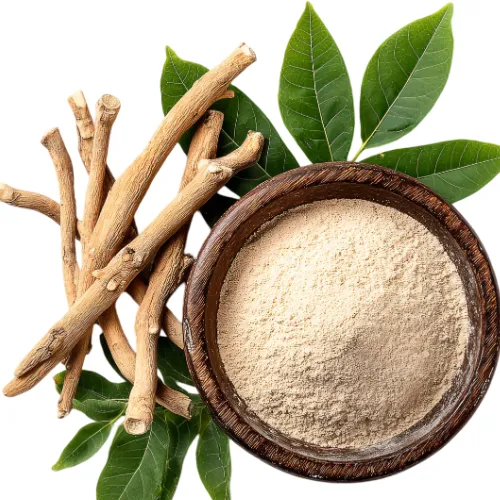
Herbal supplements are derived from plants and have been used across different cultures for a wide range of purposes. They are typically made from leaves, roots, flowers, seeds, or bark, and are prepared in forms such as capsules, powders, teas, or extracts.
Types of Supplements
An educational series explaining how supplements are grouped into categories such as vitamins, minerals, herbs, and specialty compounds, and how these categories help organize their role within everyday nutrition.
Series overview and full index
- Part 1: Vitamins and Minerals
- Part 2: Herbal Supplements and Botanical Compounds
- Part 3: Amino Acids and Protein-Based Supplements
- Part 4: Fatty Acids and Lipid-Based Supplements
- Part 5: Probiotics and Enzymes
- Part 6: Specialty Compounds and Targeted Supplements
In everyday life, herbal supplements are often associated with traditional use, general wellness practices, and common areas such as digestion, relaxation, or seasonal support. People typically encounter them through both long-standing traditions and modern products that reflect these patterns.
Unlike vitamins and minerals, which are defined as essential nutrients, herbal compounds are not organized around required intake. Instead, they are usually understood based on how they have been used, how they are prepared, and how they are experienced over time.
What herbal supplements are
Herbal supplements are products made from whole plants or plant parts. These can include single-ingredient herbs or combinations of multiple plants. The way an herb is prepared, such as dried, powdered, or extracted, can influence how it is used and how it is typically discussed.
Some products are standardized extracts, meaning they are processed to provide consistent amounts of certain compounds. Others are less processed and reflect a broader range of naturally occurring components within the plant.
How this category is commonly recognized in products
Herbal supplements are often encountered through products that are described by general areas of use rather than by individual ingredients. For example, products may be labeled to reflect relaxation, digestion, or seasonal support, even though they contain specific herbs.
Individual herbs may also be sold on their own, such as turmeric, ginger, or ashwagandha. In other cases, multiple herbs are combined into a single product that reflects a shared theme or traditional grouping.
Because of this, herbal supplements are often recognized by how they are described and used, rather than by a fixed structure. This can make the category feel more flexible, but also less clearly defined at first.
How they are commonly used
Herbal supplements are often used in ways that reflect traditional practices or general areas of support. These patterns tend to develop over time through repeated use and shared understanding rather than strict categorization.
Use is typically ongoing and contextual, shaped by daily routines, preferences, and environment. Rather than being tied to a single purpose, many herbs are discussed in broader terms that reflect how they are experienced in everyday life.
How herbal supplements differ from nutrient-based categories
One of the main differences between herbal supplements and vitamins or minerals is how they are defined. Nutrient-based categories are structured around known nutritional roles, while herbal supplements are organized more loosely around patterns of use, preparation methods, and historical context.
This difference can make herbal supplements feel less structured. Instead of being grouped by required intake or specific biological roles, they are more often grouped by how they are commonly used or discussed.
Variation in preparation and form
Herbal supplements can vary widely in how they are prepared. Some are simple dried herbs used in teas, while others are concentrated extracts designed for convenience and consistency. Tinctures, capsules, powders, and liquid extracts are all common forms.
The same plant may appear in multiple forms, each used slightly differently depending on preference and context. This variation is a defining feature of the category and contributes to how herbal products are interpreted in everyday use.
Where confusion often comes from
Because herbal supplements are grouped by use and tradition rather than by strict definitions, the same herb may appear in different types of products. For example, a single plant may be included in products focused on relaxation, digestion, or general wellness, depending on how it is positioned.
Herbal ingredients are also frequently combined with vitamins, minerals, or other compounds, especially in products that are designed around broader themes. This can make it less clear where one category ends and another begins, even though the underlying ingredients may be familiar.
Looking more closely at specific herbs
Individual herbs and botanical products are often explored in more detail depending on how they are prepared, grouped, and discussed in everyday life. In many cases, this includes differences in preparation methods, traditional usage patterns, and broader groupings such as adaptogens, which bring together herbs commonly associated with stress, energy, and changing daily demands.
- Herbal Teas vs Extracts
- Whole Herb vs Standardized Extracts
- Understanding Turmeric in Everyday Use
- Culinary Herbs vs Supplement Herbs
- Single Herbs vs Herbal Blends
- Why Herbal Supplements Are Often Described as "Support"
- Adaptogens: Common Herbs and How They Are Grouped
Bringing it together
Herbal supplements represent a distinct category within dietary supplements. They are shaped by tradition, preparation, and patterns of use rather than by essential nutrient requirements. Because of this, they are often interpreted differently from more structured categories such as vitamins and minerals.
Understanding how herbal supplements are grouped and described helps make sense of how plant-based compounds appear across products and how they are commonly used in everyday routines.
For a broader view of how supplements are experienced and adjusted over time, see Understanding How Supplements Function in Everyday Health.

 Session Expired from Inactivity