How Lifestyle Change Actually Works | Your Wellness Lifestyle
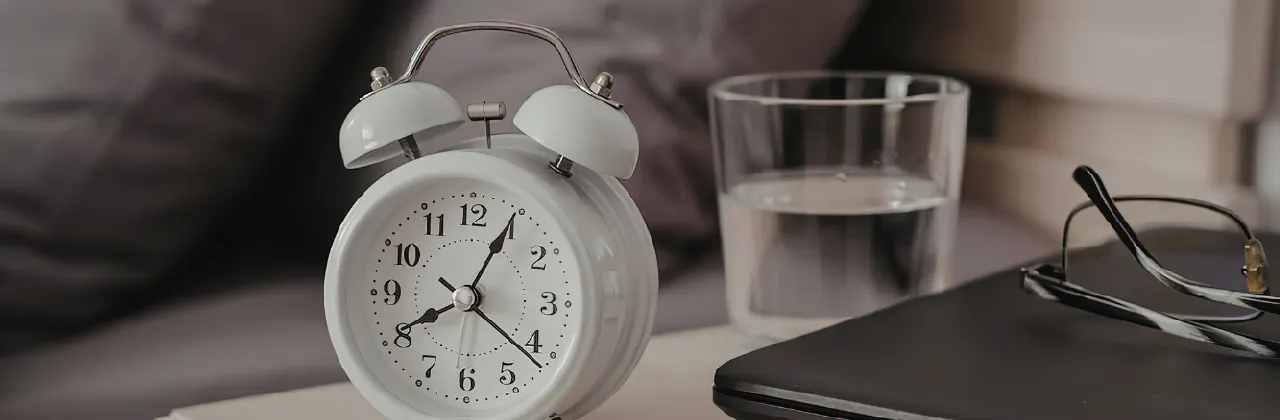
Everyday environments quietly shape what we do next.
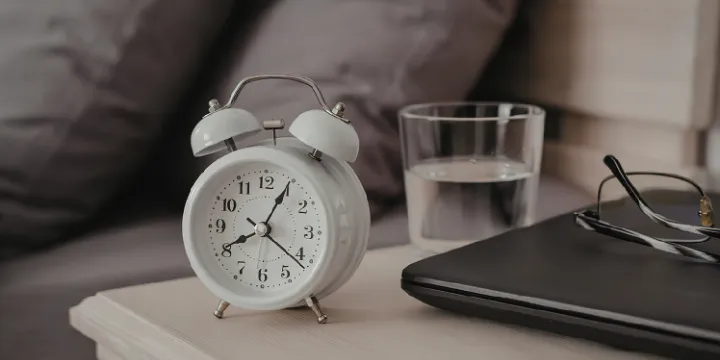
Understand how lifestyle change develops in everyday life through the influence of habits, environment, repetition, and delayed feedback rather than motivation or information alone.
Begin recognizing how daily surroundings, routines, and repeated actions influence behavior, encouraging a focus on small, sustainable adjustments over time.
Lasting lifestyle change develops gradually as repeated behaviors reshape daily routines and environments rather than relying on motivation alone.
Understand how lifestyle change develops in everyday life through the influence of habits, environment, repetition, and delayed feedback rather than motivation or information alone.
Begin recognizing how daily surroundings, routines, and repeated actions influence behavior, encouraging a focus on small, sustainable adjustments over time.
Lasting lifestyle change develops gradually as repeated behaviors reshape daily routines and environments rather than relying on motivation alone.
Lifestyle change rarely happens the way people expect. It does not come from a single decision, a burst of motivation, or simply knowing what to do. Instead, it develops through repeated actions, daily environments, and the way behavior fits into everyday life. These influences are often subtle, but they consistently shape what people actually do over time.

Most people do not struggle with change because they lack information. They struggle because habits, identity, environment, and competing demands shape behavior. Understanding why change feels difficult begins with recognizing these influences and how they operate in everyday life.

Behavior does not happen in isolation. Cues, availability, convenience, social context, and daily friction all influence what people do. These factors are often subtle, but they shape choices in consistent ways that are easy to overlook.

One of the greatest challenges in lifestyle change is that consequences are often delayed. Small daily decisions rarely produce immediate visible effects, making it difficult to connect cause and outcome. This gap between action and result shapes how people interpret progress over time.
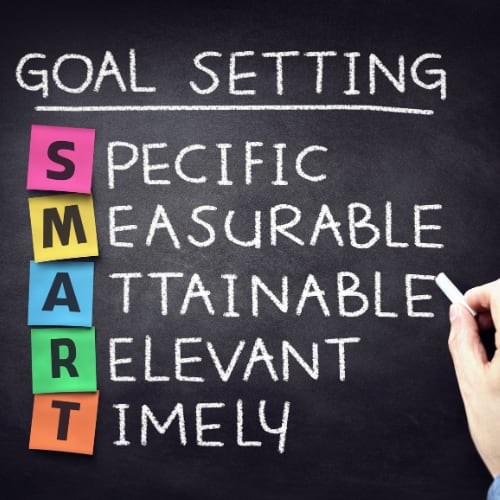
Lasting change rarely happens by eliminating behavior alone. It happens by replacing old patterns with new ones that are repeated consistently over time. This process unfolds gradually, as new actions begin to take hold and become part of daily life.
When people decide to improve their health, it is common to expect fast results. In reality, most meaningful change unfolds slowly as daily routines shift and new patterns take hold. Progress is rarely dramatic at first. Instead, it appears through small adjustments repeated consistently over time.
Understanding this slower rhythm helps reduce frustration. When expectations align with how behavior actually develops, it becomes easier to stay steady rather than abandon change when early results are not immediately visible.
The purpose of this module is not to provide quick solutions, but to clarify how lasting habits develop. By recognizing the roles of environment, repetition, and delayed feedback, learners can approach change with patience and realistic expectations.
With this foundation in place, the course can now turn toward the everyday patterns that shape health most consistently-how we eat, move, rest, and respond to the demands of daily life.
 Session Expired from Inactivity
Do you want to?



SupplementRelief.com provides general educational information about everyday health, dietary supplements, and related wellness topics. The information on this website is intended to support understanding, not to provide medical diagnosis, treatment, or individualized health advice. Health decisions are personal and should be made in the context of an individual's own circumstances and, when appropriate, in consultation with a qualified healthcare professional.
Unless otherwise noted, the content, design, and images on this website are copyrighted or used under license and are provided for personal, non-commercial use only. Unauthorized reproduction, redistribution, or commercial use is prohibited. © 2010–2026 SupplementRelief.com. All rights reserved.
Health education is organized through the Whole-Person Health Model and Supplement Education Model.
Are you sure you want to remove this item?