Amino Acids and Protein-Based Supplements
Series article
Amino acids and protein-based supplements are commonly associated with how the body builds, repairs, and maintains tissues over time. They are often discussed in relation to muscle, recovery, and overall structural support, but their roles extend beyond physical performance into many everyday processes.
Types of Supplements
An educational series explaining how supplements are grouped into categories such as vitamins, minerals, herbs, and specialty compounds, and how these categories help organize their role within everyday nutrition.
Series overview and full index
- Part 1: Vitamins and Minerals
- Part 2: Herbal Supplements and Botanical Compounds
- Part 3: Amino Acids and Protein-Based Supplements
- Part 4: Fatty Acids and Lipid-Based Supplements
- Part 5: Probiotics and Enzymes
- Part 6: Specialty Compounds and Targeted Supplements
In daily life, these supplements are often encountered through protein powders, amino acid blends, meal-support products, and single-ingredient compounds. They are commonly used alongside food intake, particularly when routines, preferences, schedules, or changing demands make it more difficult to maintain consistent eating patterns.
Unlike vitamins and minerals, which are required in smaller amounts, amino acids and proteins are usually discussed in relation to total intake across the day. This makes them closely tied to eating habits and meal structure rather than separate from them.
What amino acids are
Amino acids are the building blocks of proteins. They are involved in a wide range of processes, including tissue repair, enzyme activity, and signaling within the body. Some amino acids are obtained through food, while others can be produced internally depending on conditions and availability.
They are often grouped into essential and non-essential categories. Essential amino acids must be obtained through diet, while the body can produce non-essential amino acids. This distinction helps explain why overall intake patterns matter when considering how these compounds are used.
What protein-based supplements are
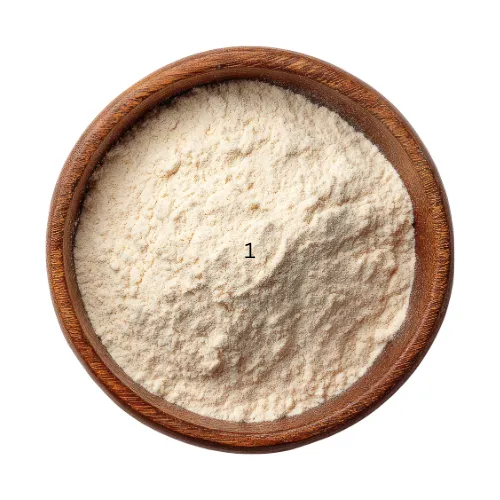
Protein-based supplements typically provide concentrated sources of amino acids in forms such as powders, shakes, or bars. These are often derived from sources like whey, casein, soy, pea protein, rice protein, or blended plant-based formulations.
They are commonly used to complement food intake rather than replace it entirely, especially when convenience, timing, appetite, or routine make it more difficult to maintain consistent intake through meals alone.
How this category is commonly recognized in products
Amino acid and protein-based supplements are often grouped according to source, intake pattern, or general use. Some products focus on complete protein intake, while others emphasize individual amino acids or specialized blends.
Protein powders and ready-to-drink products are among the most recognizable forms. However, this category also includes collagen products, amino acid capsules, recovery-focused formulas, and meal-support products.
Because these supplements are closely connected to food intake, they are often discussed in terms of convenience, consistency, recovery, or daily structure rather than as isolated additions.
How they are commonly used
Amino acid and protein supplements are often used in relation to routines that involve physical activity, recovery, appetite changes, meal timing, or changing daily demands. They may also be used when regular meal times are inconsistent or when individuals are seeking more structured intake patterns.
Use is typically shaped by overall diet, activity level, preferences, and routine. Rather than being tied to a single purpose, these supplements are often discussed in terms of how they fit within broader daily patterns.
How they differ from other supplement categories
One of the main differences between amino acids, proteins, and many other supplements is their close connection to food. While vitamins and minerals are often added in relatively small amounts, protein intake is usually considered part of overall daily nutrition.
This makes amino acid and protein supplements feel less like isolated additions and more like extensions of eating patterns, especially when used consistently over time.
Where confusion often comes from
This category can become confusing because products are often grouped even when they serve different roles. For example, complete proteins, collagen products, and individual amino acids are frequently discussed together, despite their differing compositions and how they are commonly used.
Protein-based products may also overlap with categories associated with meal support, recovery, or performance routines. In addition, the same amino acids may appear in products that are not primarily labeled as protein supplements.
Understanding these distinctions helps clarify why products within this category can appear similar while being structured quite differently.
Looking more closely at amino acids and protein-based supplements
Some topics are explored in more detail depending on how amino acids and protein-based supplements are commonly discussed in everyday routines. This includes overall intake patterns, protein sources, meal structure, and how different products fit into broader eating habits and nutritional consistency over time.
- Understanding Protein Powders in Everyday Nutrition
- What Amino Acids Are and How They Are Commonly Understood
- How Protein Intake Fits Into Daily Routines
- Complete vs Incomplete Proteins
- Plant-Based vs Animal-Based Protein Powders
- Meal-Replacement Shakes vs Protein Supplements
- Understanding Collagen in Everyday Use
Bringing it together
Amino acids and protein-based supplements represent a category that is closely tied to everyday nutrition and intake patterns. They are often used to support consistency and structure in how food is consumed across the day, rather than as isolated additions.
Understanding how this category is grouped helps clarify why protein powders, amino acids, collagen products, and meal-support formulas are often discussed together even when they differ in composition and use.
For a broader view of how supplements are experienced and adjusted over time, see Understanding How Supplements Function in Everyday Health.

 Session Expired from Inactivity