


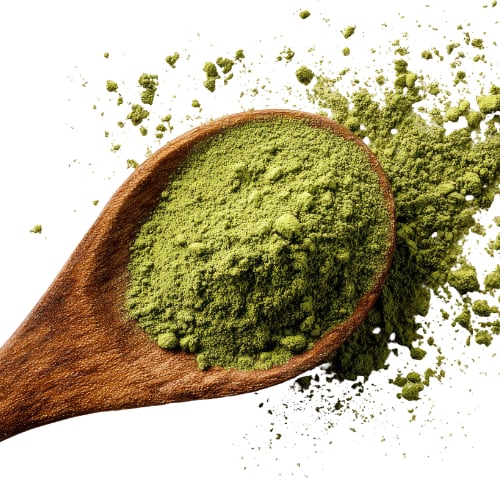
Greens Powders: What They Are and How They Fit Into Everyday Eating
Greens powders are concentrated blends of dried plant ingredients, usually mixed with water or other beverages. Formulas range from simple powdered greens to multi-ingredient blends with added plant concentrates. Because the label is broad, taste, texture, and ingredient profiles vary widely. The role of greens powders in everyday eating is modest and best understood alongside regular meals rather than as a replacement.
What greens powders are
Greens powders are dry blends made from plant ingredients that have been processed and milled into a fine powder. The plant sources often include leafy greens, grasses, algae, herbs, or vegetable concentrates, combined in varying proportions. Some formulas focus on a small set of recognizable plants, while others are multi-ingredient blends that read more like a "kitchen sink" of botanical components. In practice, greens powders function as a convenient way to add a small, repeatable amount of plant-derived material to a routine.
What greens powders are not
Greens powders are not the same thing as eating vegetables in their usual form, and they do not replicate the full experience of a produce-rich diet. Whole foods provide volume, texture, satiety, and a natural mix of water and fiber that powders do not. Greens powders are also not a complete nutritional solution, as they are typically designed as an add-on rather than a balanced source of protein, fats, carbohydrates, and micronutrients. The most accurate way to view the category is as a concentrated plant blend, not a substitute for meals or for regular produce intake.
How greens powders are typically made
Most greens powders begin with plant materials that are washed, dried, and then ground into a powder. Drying can be done using different methods, and processing choices influence taste, texture, and the amount of the original plant character that remains. Some products use whole-food powders that retain the ingredient's recognizable form, while others use extracts that concentrate specific compounds. Blends are then formulated for flavor, mixability, and shelf stability, which is one reason ingredient lists can vary widely across the category.
Common ingredients found in greens powders
Greens powders often share similar ingredient categories, even when the specific plants differ. The presence of an ingredient category does not automatically indicate what the formula is "for," because the role depends on amounts, processing, and how the blend is intended to be used. The list below describes common components without implying that any one category is required. The goal is simple recognition of what a reader may see on a label.
- Leafy greens and vegetables: Ingredients such as spinach, kale, broccoli, or other green vegetable powders that form the core plant base in many formulas.
- Grasses: Powders made from wheatgrass or barley grass, often included for their "green drink" identity and flavor profile.
- Algae: Ingredients such as spirulina or chlorella, which have a distinct taste and color and can change how a blend mixes and smells.
- Herbs and botanicals: Added plant ingredients that may be included for tradition, flavor, or formulation variety, sometimes in small amounts.
- Fiber and food-based components: Ingredients such as inulin or vegetable fibers that affect texture and how the drink feels in the gut.
- Digestive add-ons: Enzymes or probiotics that appear in some blends, often alongside flavoring systems and sweeteners.
Why greens powders appeal to some eating patterns
Greens powders often appeal in routines where meals are irregular, produce shopping is inconsistent, or cooking time is limited. A powdered blend can feel easier to keep consistent because it is shelf-stable and quick to prepare. Some people also prefer the simplicity of a single daily "green drink" to planning multiple vegetable servings across meals. In that context, the appeal is more about repeatability and convenience than about replacing food.
How greens powders fit alongside whole foods
In everyday eating patterns, greens powders typically function as a supplement to the diet in the literal sense of "added alongside," not as a replacement for meals or produce. The most realistic role is that of a small, consistent addition that can sit next to a diet that already includes real meals and varied foods. When vegetables are present in the diet, a greens powder becomes a minor layer rather than a foundation. Even when vegetables are scarce in the diet, the powder still does not turn the overall pattern into a produce-rich way of eating, because the structure of meals matters more than a single mixed drink.
Practical limits to keep in mind
Greens powders have natural limits that are easy to miss when the category is treated as a shortcut to "eating healthy." Powders do not have the same water content and chewing experience as whole vegetables, and those differences affect satiety and meal structure. Ingredient lists can also be long and opaque, making it harder to understand what is present in meaningful amounts versus what is included in trace amounts. These limits do not make the category "good" or "bad," but they do set more realistic expectations about what a greens powder can and cannot represent in a diet.
- Fiber is not the same as vegetables: Some blends include added fiber, but a drink does not replicate the volume and texture of a plate of produce.
- Formulas vary widely: Two products can share a label category while differing in plant sources, extracts, sweeteners, and overall intensity.
- Taste and tolerance differ: Greens powders can taste strongly vegetal or "marine," and some blends include ingredients that do not agree with every digestive system.
- Small additions do not equal dietary pattern change: A daily drink can be consistent while the rest of the diet remains unchanged, which limits how much the powder can represent.
Understanding greens powders in context
Greens powders are best understood as a category of concentrated plant blends with wide variation in ingredients and formulation style. The label "greens powder" communicates a general format, not a guaranteed nutrient profile, and not a substitute for eating vegetables in normal meals. In most real-life routines, the role is modest: a convenient add-on that can sit alongside everyday eating patterns without replacing them. With that framing, greens powders become easier to evaluate as what they are, rather than as what they are sometimes implied to be.

 Session Expired from Inactivity

