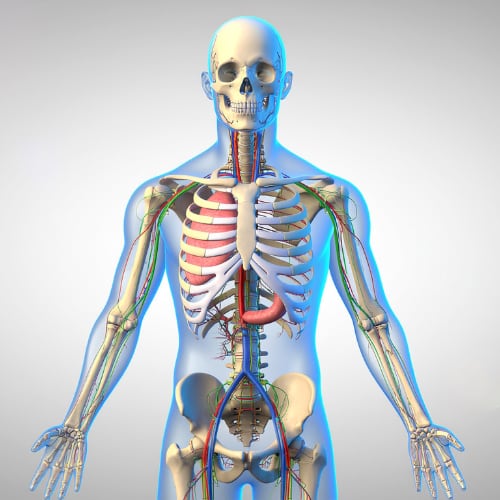
How Supplements Interact With Normal Body Processes
Series article
Supplements are often talked about as if they create change on their own, yet in practice, they are added into a body that is already working continuously. Digestion, repair, energy production, and adaptation occur continuously. Supplements enter this ongoing activity as additional inputs rather than independent drivers of change.
Understanding How Supplements Function in Everyday Health
An educational series exploring how supplements are commonly experienced within everyday life, including absorption, timelines, and evaluation across real-world use.
Series overview and full index
- Part 1: How Supplements Interact With Normal Body Processes
- Part 2: Recognizing How Supplement Effects Are Typically Experienced
- Part 3: How Supplement Absorption and Delivery Methods Differ
- Part 4: Understanding Typical Timelines for Supplement Effects
- Part 5: How Changes Are Commonly Evaluated Over Time
- Part 6: When Supplement Approaches Are Often Reconsidered
The body is already doing the work
Most of what keeps the body running happens quietly in the background. The body constantly repairs, adjusts, and maintains itself without conscious effort. Supplements do not start these processes-they contribute nutrients or compounds that may support what is already happening.
This perspective helps explain why supplement effects are often subtle. When support is added to a system already functioning, change tends to appear as a gradual improvement in continuity rather than a dramatic shift.
Support rather than replacement
Supplements are typically used alongside everyday habits such as eating, movement, sleep, and stress management. They do not replace these patterns or compensate for them when they are consistently out of balance. Instead, they are one part of a broader approach to how people support their health day to day.
For many individuals, this realization reshapes expectations. Supplements are less about quick fixes and more about contributing additional resources that may help existing processes operate more smoothly over time.
Why supplementation is widely discussed today
Modern life introduces variability in nutrient intake, recovery, and daily rhythm. Meals may be inconsistent, sleep fragmented, and prolonged stress exposure. These conditions can create fluctuations in how the body manages maintenance and repair.
Within this context, supplements are often discussed as a way to provide steady inputs when everyday patterns are less predictable. This framing emphasizes continuity rather than correction.
What people often notice first
Because supplements interact with background physiology, perceived change often appears indirectly. Individuals may describe steadier energy, more predictable digestion, or a general sense that daily routines feel easier to sustain. These observations typically reflect pattern shifts rather than isolated events.
Such experiences can be difficult to attribute to a single factor, which is why supplementation is often understood through cumulative observation rather than immediate cause-and-effect.
This is why many people begin thinking about supplements when their energy feels inconsistent or when recovery feels slower. For a broader look at how these patterns develop, see Metabolic Health and Steady Energy, which explains how daily habits shape how energy is produced and used over time.
The importance of context
How supplements are experienced depends heavily on the conditions in which they are used. Consistent meals, stable sleep, manageable stress, and regular movement all influence how nutrients are absorbed and utilized. When these foundations vary widely, supplement-related changes may be less noticeable or more difficult to interpret.
This contextual nature reinforces the idea that supplements participate in broader physiological environments rather than acting independently.
Positioning supplements within everyday physiology
At a basic level, supplements are used to add resources that may help the body maintain its ongoing activity. This perspective shifts attention away from expecting quick results and toward understanding how small inputs contribute over time.
Viewing supplements through this lens shifts attention away from expectation-driven outcomes and toward a more grounded understanding of how supplemental inputs interact with normal physiology.
Setting the stage for the series
This article establishes a simple foundation: supplements are added to systems that are already active. The articles that follow explore how these interactions are experienced, how form and absorption matter, how timelines unfold, and how people evaluate changes over time.

 Session Expired from Inactivity