Culinary Herbs vs Supplement Herbs
Many herbs exist in both food traditions and supplement routines, which can make the boundary between culinary ingredients and herbal supplements feel less clearly defined. Some plants are used daily in cooking, while the same plants may also appear in teas, extracts, capsules, or concentrated botanical products.
Within the broader category of herbal supplements and botanical compounds, understanding this overlap helps explain why certain herbs feel familiar and food-connected while others are more commonly associated with structured supplementation.
Why some herbs exist in both categories
Many herbs have long histories as both culinary ingredients and traditional plant preparations. Before modern supplement categories existed, herbs were often incorporated into food, beverages, preservation methods, and cultural practices simultaneously.
As supplement industries expanded, many of these same plants began appearing in more concentrated or structured forms such as capsules, tinctures, extracts, and powders.
This means the distinction between culinary herbs and supplement herbs is often shaped more by preparation method and context than by completely separate plant categories.
What culinary herbs are
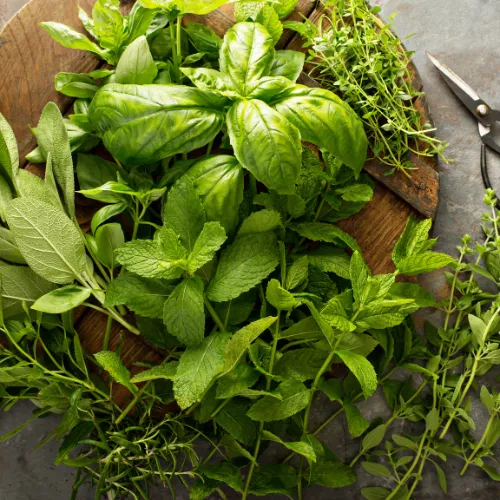
Culinary herbs are plants commonly used in cooking to add flavor, aroma, color, or texture to food. Basil, oregano, rosemary, thyme, parsley, cilantro, dill, mint, turmeric, garlic, and ginger are familiar examples.
These herbs are generally associated with meals, recipes, food traditions, and repeated everyday use rather than with highly structured supplement routines.
Because culinary herbs are closely tied to ordinary eating patterns, they are often interpreted as part of food culture first and supplementation second.
What supplement herbs are
Supplement herbs are botanical ingredients prepared more intentionally within wellness or supplement routines. These herbs may appear in capsules, extracts, teas, tinctures, powders, or blended formulations.
Some supplement herbs are less commonly used in food preparation and are encountered primarily through herbal products. Others overlap heavily with culinary traditions.
In many cases, the same plant may move between food use and supplement use depending on how it is prepared and discussed.
How turmeric and ginger illustrate the overlap
Turmeric and ginger are two of the clearest examples of herbs that exist comfortably in both culinary and supplement settings.
Both are widely used in cooking, teas, beverages, and traditional food preparation. At the same time, they also appear in capsules, extracts, powders, and structured herbal products.
This overlap helps explain why some herbal ingredients feel more familiar or approachable than others. People may already encounter these plants regularly in food, long before seeing them in supplement routines.
For more on how turmeric moves between food traditions and herbal products, see Understanding Turmeric in Everyday Use.
How preparation changes interpretation
The same herb may feel very different depending on how it is prepared. A fresh culinary herb used in meals is often interpreted differently from a concentrated extract placed inside a supplement capsule.
Preparation style influences how people think about herbs, even when the underlying plant is the same. Culinary forms are usually associated with flavor, tradition, and food routines, while supplement forms are more often associated with structure, convenience, and intentional use.
This difference in interpretation is one reason herbal supplements can feel more flexible and less rigidly defined than nutrient-based categories.
Why some herbs become associated with wellness routines
Certain culinary herbs gradually become associated with broader wellness discussions because they are repeatedly used in teas, traditional practices, or supplement products over time.
As these patterns develop, herbs may begin appearing in products organized around digestion, relaxation, energy, seasonal routines, or general wellness themes.
This shift does not necessarily move the herb completely out of the culinary category. Instead, it reflects how herbs can simultaneously occupy multiple roles in everyday life.
How this differs from vitamins and minerals
Unlike vitamins and minerals, herbs are not typically defined by required intake levels or essential nutrient status. Their identity is shaped more by cultural use, preparation methods, and patterns of experience over time.
This flexibility helps explain why herbs can move naturally between kitchens, teas, traditional preparations, and modern supplement products without fitting into a single rigid structure.
Why herbal categories can seem less organized
Herbal supplements often feel less structured than nutrient categories because the same plant may appear in many different contexts at once. Garlic may be viewed as a food ingredient, a traditional herb, a tea component, or a supplement ingredient depending on the situation.
Likewise, turmeric may appear in spice blends, beverages, extracts, or capsules, while peppermint may move between teas, culinary use, and digestive-focused products.
This overlap is a defining feature of herbal supplements and reflects the broader relationship between plants, food traditions, and modern wellness culture.
For more on how preparation methods shape herbal interpretation, see Herbal Teas vs Extracts.
Food traditions and modern supplementation
The overlap between culinary herbs and supplement herbs also reflects the broader relationship between traditional food practices and modern supplement routines. Many herbs that appear in supplements today were historically encountered first through meals, beverages, and cultural preparation methods.
Modern supplements often reorganize these same plants into more portable or measurable forms, but the connection to food traditions frequently remains visible.
This is one reason herbal supplements often feel more connected to lifestyle and routine than to narrowly defined nutrient intake.
Bringing it together
Culinary herbs and supplement herbs are often closely connected rather than completely separate categories. Many plants move naturally between food traditions, teas, traditional practices, and structured supplement routines depending on how they are prepared and used.
Understanding this overlap helps explain why herbal supplements can feel more flexible and less rigidly organized than vitamins and minerals. Preparation style, cultural tradition, and everyday routine all play important roles in how herbs are interpreted.
Rather than existing in isolated categories, many herbs continue to function across both food culture and modern supplementation at the same time.

 Session Expired from Inactivity