Understanding Turmeric in Everyday Use
Turmeric is one of the most widely recognized herbal ingredients in modern wellness culture. It is commonly encountered as a culinary spice, a traditional herbal preparation, and a concentrated supplement ingredient, making it one of the clearest examples of how food and herbal supplementation can overlap in everyday life.
Within the broader category of herbal supplements and botanical compounds, turmeric is best understood as a plant-based ingredient whose role is shaped by preparation method, cultural tradition, and routine use over time rather than by essential nutrient status.
What turmeric is
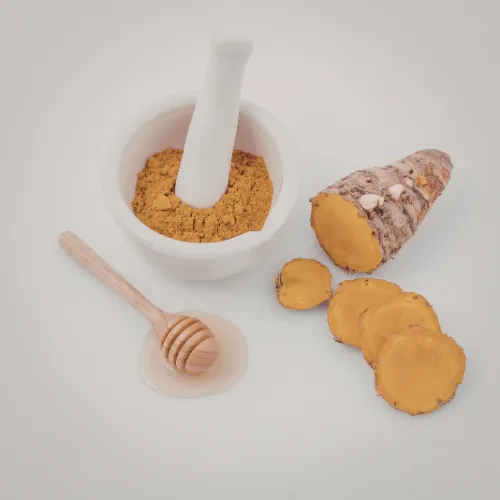
Turmeric comes from the rhizome of the Curcuma longa plant, which belongs to the ginger family. The bright yellow-orange color associated with turmeric comes from naturally occurring compounds called curcuminoids, including curcumin.
In everyday life, turmeric is commonly encountered as a powdered spice used in cooking, particularly in South Asian and Middle Eastern food traditions. It may also appear in teas, capsules, extracts, drink mixes, and broader herbal formulations.
This wide range of uses has made turmeric one of the most recognizable botanical ingredients within both culinary and supplement settings.
Why turmeric became so widely discussed
Turmeric gained visibility in modern wellness discussions partly because it already had a long history of traditional culinary and herbal use before becoming popular within contemporary supplement culture.
As interest in plant-based wellness practices increased, turmeric became associated with broader conversations around traditional herbs, everyday routines, and food-based approaches to supplementation.
Its strong visual identity, long culinary history, and flexibility across many product types also contributed to its popularity. Today, turmeric appears in foods, beverages, teas, capsules, powders, concentrated extracts, and combination formulas.
How turmeric is commonly used in food
Turmeric has traditionally been used as both a culinary spice and a coloring ingredient. It is frequently included in curries, soups, rice dishes, sauces, broths, and spice blends.
Because turmeric is closely connected to food traditions, many people first encounter it through meals rather than through supplements. This food association makes turmeric feel more familiar and accessible than many other herbal ingredients.
In some cases, turmeric is consumed regularly in small amounts through ordinary dietary patterns rather than through highly structured supplementation routines.
How turmeric appears in supplements
In supplement products, turmeric may appear in several different forms. Some products use whole turmeric powder, while others use concentrated extracts standardized for curcuminoid content.
Turmeric also commonly appears in capsules, drink powders, teas, tinctures, and blended herbal formulas. Some products combine turmeric with black pepper extracts or additional herbs depending on how the formulation is positioned.
This variation reflects the broader flexibility of herbal supplements, where the same plant may appear in multiple preparation styles and routines.
For more on how herbs are prepared differently across products, see Whole Herb vs Standardized Extracts.
How turmeric fits into everyday routines
Turmeric is often incorporated into routines in ways that overlap with both food and supplementation. Some people use turmeric primarily through cooking and beverages, while others include it more deliberately through capsules or herbal blends.
Because turmeric is associated with both traditional food use and modern supplement products, it can feel less separated from ordinary daily life than some other herbal ingredients.
This overlap helps explain why turmeric is often discussed more broadly than many herbs and why it appears across such a wide range of products and routines.
Why turmeric products can look very different
Turmeric products may vary widely in preparation, concentration, and positioning. One product may resemble a culinary ingredient, while another may appear as a concentrated extract within a structured supplement routine.
Some turmeric products emphasize traditional preparation and whole-plant use, while others emphasize standardization and more measurable composition.
This does not necessarily place turmeric into separate categories. Instead, it reflects how herbal supplements can shift between food traditions, traditional preparations, and modern product structures depending on context.
For more on how herbs move between food use and supplementation, see Culinary Herbs vs Supplement Herbs.
How turmeric differs from vitamins and minerals
Unlike vitamins and minerals, turmeric is not considered an essential nutrient required for normal intake. Instead, it is interpreted through cultural tradition, preparation style, and patterns of use.
This distinction helps explain why turmeric products are often discussed more flexibly than nutrient-based supplements. The focus is usually placed on the plant itself, how it is prepared, and how it fits into routines rather than on meeting defined intake targets.
Why herbal categories can feel less structured
Turmeric also illustrates why herbal supplements can sometimes feel less clearly organized than nutrient-based categories. The same ingredient may appear simultaneously as a food, a spice, a tea ingredient, an herbal extract, or part of a broader wellness formulation.
This flexibility is common throughout herbal supplements and reflects the wide range of ways plants are used and interpreted in everyday life.
Understanding turmeric through this broader context helps keep the discussion grounded in preparation, routine, and tradition rather than in overly narrow supplement positioning.
Bringing it together
Turmeric is one of the clearest examples of how culinary traditions, herbal practices, and modern supplementation can overlap within everyday life. It appears across foods, beverages, teas, powders, extracts, and structured supplement routines while remaining connected to its origins as a traditional plant ingredient.
Its broad use across many different contexts helps explain why turmeric has become such a recognizable herbal ingredient and why preparation methods play such a central role in how herbal supplements are interpreted.
Rather than fitting neatly into a single category, turmeric reflects the broader flexibility of herbal supplements themselves, where food traditions, preparation styles, and modern routines often intersect.

 Session Expired from Inactivity