Herbal Teas vs Extracts
Herbal supplements can appear in many different forms, but two of the most common are teas and extracts. Although both may come from the same plant, they are prepared differently and are often used in different ways within everyday routines.
Within the broader category of herbal supplements and botanical compounds, understanding the difference between teas and extracts helps explain why herbal products can vary so widely in concentration, preparation, convenience, and how they are commonly discussed.
Why herbs appear in different forms
Plants have been prepared in different ways for centuries, depending on tradition, preference, storage, and intended use. Some herbal preparations are simple and minimally processed, while others are more concentrated and structured for consistency or convenience.
This variation is one of the defining characteristics of herbal supplements. Unlike vitamins and minerals, which are usually discussed as individual nutrients, herbs are often interpreted through their preparation methods and traditional patterns of use.
What herbal teas are
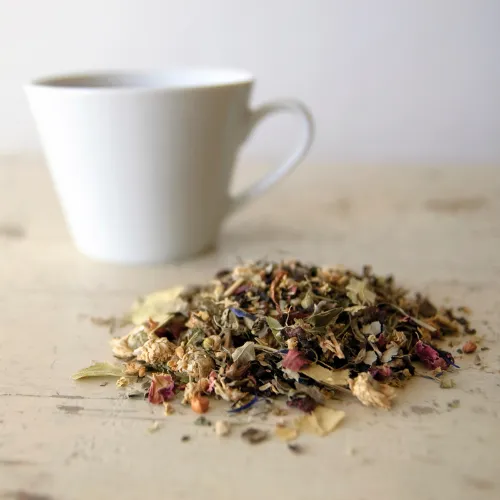
Herbal teas are made by steeping plant material in hot water. Depending on the herb, this may involve leaves, flowers, roots, bark, seeds, or combinations of plant parts.
Teas are among the oldest and most familiar herbal preparations. In everyday life, they are often associated with routine, comfort, and slower patterns of use rather than concentrated supplementation.
Some herbal teas are consumed primarily as beverages, while others are used more intentionally within broader wellness routines. Chamomile, peppermint, ginger, rooibos, and hibiscus are common herbs used in tea.
What herbal extracts are
Herbal extracts are preparations designed to concentrate certain components of a plant into a smaller volume or serving size. These extracts may appear in capsules, tinctures, liquids, powders, or softgels.
Extracts are often used for convenience and consistency. Instead of preparing herbs manually through brewing or steeping, extracts provide a more structured way to include herbal compounds within a routine.
Some extracts are standardized, meaning they are processed to provide more consistent amounts of certain compounds naturally found within the plant. Others are broader whole-herb preparations that preserve a wider range of plant components.
For a closer look at how herbal preparations may differ in processing and standardization, see Whole Herb vs Standardized Extracts.
How teas and extracts are commonly experienced differently
In everyday use, herbal teas and extracts are often associated with different types of routines and experiences.
Teas are frequently connected with slower rituals and repeated habits. Preparing tea usually involves time, warmth, aroma, and a more sensory experience. Because of this, herbal teas are often integrated into daily rhythms such as mornings, evenings, meals, or periods of relaxation.
Extracts are typically associated with convenience, portability, and more measurable intake. Capsules, tinctures, and powders can fit more easily into structured supplement routines with limited preparation time.
Neither form is automatically more "natural" or more effective than the other. They represent different ways of preparing and using plants within everyday life.
Why the same herb may appear in multiple forms
The same herb may be available as a tea, capsule, tincture, extract, or powder, depending on how it is traditionally used and how modern products are structured.
For example, ginger may appear in teas, concentrated extracts, culinary products, powders, or capsules. Turmeric may be encountered as a spice, tea ingredient, or extract-based supplement. Peppermint may be used in beverages, oils, capsules, or digestive-support products.
This overlap is common within herbal supplements and reflects the flexibility of plant-based preparations rather than completely separate categories.
For more on how herbs move between food traditions and supplement routines, see Culinary Herbs vs Supplement Herbs.
How preparation changes interpretation
The way an herb is prepared often shapes how people think about it. A tea may feel more connected to food, tradition, or relaxation, while an extract may feel more aligned with structured supplementation.
This difference in interpretation can influence how herbal products are discussed, even when they come from the same plant source.
Understanding this helps explain why herbal supplements are often categorized by preparation style and everyday use rather than by strict nutritional definitions.
How herbal preparations differ from nutrient supplements
Unlike vitamins and minerals, herbs are not typically organized around required intake levels or essential nutrient status. Instead, herbal preparations are more often interpreted through tradition, preparation methods, and patterns of use.
This makes preparation especially important within the herbal category. The form of an herb may influence how it fits into routines, how it is experienced, and how it is positioned within products.
Why herbal products can seem confusing
Herbal supplements can sometimes feel inconsistent because the same plant may appear in many different forms and product types. One version may be sold as a tea, another as a concentrated extract, and another as part of a broader herbal blend.
This flexibility is part of what defines the herbal category, but it can also make the category feel less structured than nutrient-based supplements.
Understanding the role of preparation helps make these differences easier to interpret without assuming that every form represents a completely different substance.
For more on how multiple herbs are commonly combined and grouped, see Single Herbs vs Herbal Blends.
Food, tradition, and modern supplement routines
Herbal teas and extracts also reflect the overlap between traditional practices and modern supplement routines. Tea preparation is often associated with long-standing cultural traditions, while extracts reflect newer approaches focused on portability, consistency, and convenience.
Both forms continue to coexist in everyday life, and many people move between them depending on preference, lifestyle, and routine.
Bringing it together
Herbal teas and extracts represent two common ways herbs are prepared and experienced within everyday life. Teas are often associated with routine, preparation, and sensory experience, while extracts are more commonly connected with convenience and structured supplement use.
Although these forms may feel different in practice, they often come from the same plants and reflect different preparation approaches rather than entirely separate categories.
Understanding these distinctions helps clarify why herbal supplements vary so widely in form and presentation and why preparation methods play such a central role in how herbal products are interpreted.

 Session Expired from Inactivity