Adaptogens: Common Herbs and How They Are Grouped
Adaptogens are a group of herbs commonly discussed in relation to stress, energy, endurance, and changing daily demands. Although the term is widely used in modern wellness culture, adaptogens are not a formally recognized nutrient category like vitamins or minerals. Instead, the term serves more as a broad interpretive grouping to organize herbs with similar themes or traditional associations.
Within the broader category of herbal supplements and botanical compounds, adaptogens are best understood as a modern umbrella label that brings together herbs often associated with resilience, balance, and long-term routine-based use.
What the term "adaptogen" usually means
The word "adaptogen" is generally used to describe herbs that are discussed in relation to helping the body adapt to changing physical or mental demands. In everyday wellness language, these herbs are often associated with stress, fatigue, focus, recovery, or broader ideas of balance and stability.
At the same time, the term itself is relatively broad and interpretive. Different products, traditions, and wellness systems may group herbs differently depending on context and philosophy.
Because of this, adaptogens are best viewed as a category of discussion rather than as a precise scientific classification system.
Why adaptogens became popular
Adaptogens became increasingly visible as wellness culture began emphasizing stress management, busy lifestyles, productivity, recovery, and long-term routine-based self-care. Herbs traditionally associated with endurance, resilience, or general balance were gradually grouped under the label of adaptogens.
This grouping helped organize a wide variety of herbs into a more recognizable category for modern consumers. As a result, herbs from very different cultural traditions and plant families often became discussed side by side within adaptogen-focused products and conversations.
Today, adaptogens commonly appear in teas, powders, capsules, drink mixes, tinctures, and broader wellness blends.
Common herbs often grouped as adaptogens
Several herbs are frequently discussed within the adaptogen category, including:
- Ashwagandha
- Rhodiola
- Holy basil (tulsi)
- Eleuthero
- Schisandra
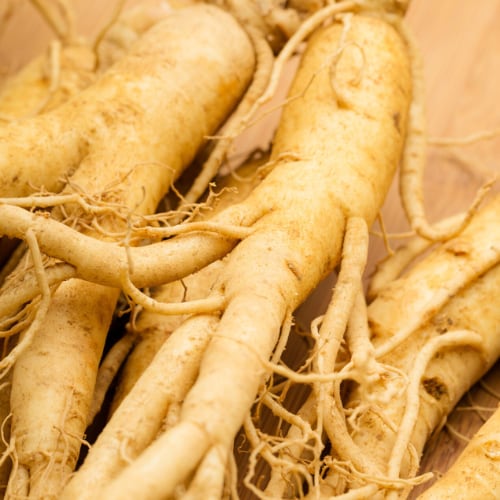
- Ginseng
- Maca
- Cordyceps and other functional mushrooms in some product categories
These herbs come from different traditions and regions and are prepared in different ways. What groups them is usually not shared nutrient content, but rather common themes surrounding routine use and broader wellness interpretation.
How adaptogens are commonly positioned
Adaptogens are often positioned around modern lifestyle themes such as daily demands, resilience, focus, balance, or long-term routine support. This positioning is usually broader and less narrowly defined than nutrient-based supplement categories.
For example, adaptogen products may be marketed around morning routines, workplace stress, recovery habits, travel, or busy schedules rather than around highly specific nutrient intake goals.
This broader positioning style reflects the more interpretive nature of herbal supplements overall.
How adaptogens differ from vitamins and minerals
Unlike vitamins and minerals, adaptogens are not categorized by essential nutrient status or required intake levels. Instead, they are grouped through traditional use patterns, preparation methods, and broader wellness themes.
This helps explain why adaptogens can feel less rigidly defined than nutrient categories. The grouping is based more on shared interpretation and common usage patterns than on strict nutritional classification.
For more on why herbal language often uses broader routine-based terminology, see Why Herbal Supplements Are Often Described as 'Support' .
Why adaptogens often appear in blends
Adaptogens are commonly combined into broader herbal blends organized around themes such as energy, focus, relaxation, or general wellness routines.
These combinations reflect the broader herbal tradition of grouping plants around shared use patterns rather than treating every herb as an isolated ingredient.
For example, an adaptogen blend may combine ashwagandha, rhodiola, holy basil, and mushrooms within the same product even though the plants come from different traditions and botanical backgrounds.
For more on how herbs are grouped into combinations, see Single Herbs vs Herbal Blends.
How preparation styles influence adaptogen products
Adaptogen herbs appear in many forms, including teas, tinctures, powders, extracts, capsules, and drink mixes. Preparation style often influences how the products are interpreted and used in daily life.
Tea-based preparations may feel more connected to ritual and routine, while capsules and extracts are more commonly associated with convenience and structured supplementation.
For more on how preparation methods shape herbal products, see Herbal Teas vs Extracts.
Why adaptogens can feel difficult to define
One reason adaptogens can feel difficult to define is that the category combines herbs from many different traditions under one modern label. Some herbs have long histories of culinary use, others are more closely tied to traditional herbal systems, and others have become associated with adaptogens more recently through commercial wellness culture.
Because the category is organized around themes rather than strict nutrient roles, its boundaries are naturally more flexible.
This flexibility is common throughout herbal supplements and reflects the broader interpretive nature of botanical categories.
Adaptogens in modern wellness culture
Adaptogens are now deeply connected with modern wellness routines. They frequently appear in products associated with busy schedules, work-life balance, mindfulness practices, exercise recovery, coffee alternatives, and general lifestyle management.
At the same time, these products still reflect older herbal traditions where plants were incorporated into repeated daily practices over long periods rather than treated as isolated short-term interventions.
This blend of traditional framing and modern wellness language is one reason adaptogens became such a recognizable herbal category.
Bringing it together
Adaptogens are best understood as a broad grouping of herbs commonly associated with resilience, balance, and changing daily demands. Rather than forming a strict nutrient category, adaptogens function more as a modern interpretive label used to organize herbs with overlapping wellness themes and traditional use patterns.
The category includes herbs from many different traditions, preparation styles, and product formats, which helps explain why adaptogens can feel both familiar and difficult to define at the same time.
Understanding adaptogens within the broader context of herbal supplements helps keep the discussion grounded in preparation, tradition, and everyday routine rather than in rigid or overly narrow classification systems.

 Session Expired from Inactivity