


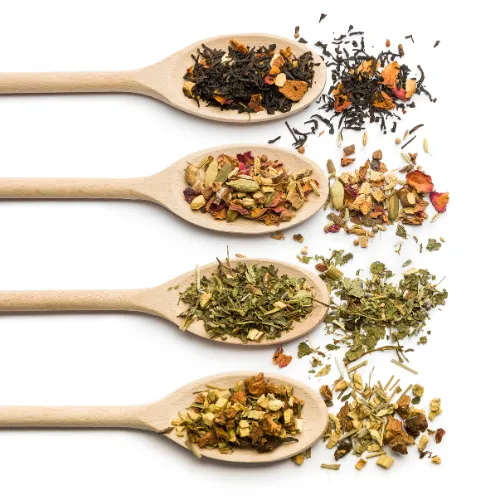
Single Herbs vs Herbal Blends
Herbal supplements may contain a single plant ingredient or combine multiple herbs within the same product. Both approaches are common throughout herbal traditions and modern supplement routines, but they are often interpreted differently depending on how the product is positioned and used.
Within the broader category of herbal supplements and botanical compounds, understanding the difference between single herbs and herbal blends helps explain why some products focus on one recognizable plant while others combine several herbs around a broader theme or routine.
What single-herb products are
Single-herb products contain one primary botanical ingredient. These products may appear as teas, capsules, powders, tinctures, extracts, or whole-herb preparations.
Examples include turmeric, ginger, peppermint, ashwagandha, milk thistle, chamomile, and green tea products sold individually.
Single-herb supplements are often associated with simplicity and familiarity because the plant source is clearly identified. In many cases, people choose these products when they are interested in a specific herb or traditional plant ingredient.
What herbal blends are
Herbal blends combine multiple plant ingredients within the same product. These blends may bring together herbs associated with similar traditions, preparation styles, or broader wellness themes.
For example, a tea blend may combine peppermint, ginger, and fennel, while another product may combine several herbs traditionally associated with relaxation or seasonal routines.
In many cases, herbal blends reflect historical and cultural preparation patterns where plants were commonly used together rather than individually.
Why herbal blends are so common
Combining herbs is not unique to modern supplements. Traditional herbal systems have long grouped plants according to preparation style, culinary practice, seasonal use, or broader areas of support.
Modern supplement products often continue this same pattern by organizing herbs around themes such as digestion, relaxation, energy, or everyday wellness routines.
This does not necessarily mean that every blend follows a highly technical or specialized structure. In many cases, herbal blends reflect broader traditions of combining plants within everyday use.
How single herbs and blends are experienced differently
Single-herb products are often interpreted as more direct or easier to identify because attention is focused on one plant source. The herb itself usually becomes the central point of discussion.
Blends, by contrast, are often interpreted more through the overall routine or theme associated with the product. A person may remember the blend as a "relaxation tea" or a "digestive blend" rather than focusing on each herb.
This difference helps explain why herbal supplements are frequently grouped by everyday use patterns rather than by rigid ingredient categories alone.
How preparation style influences blends
Herbal blends may appear in many forms, including teas, capsules, tinctures, powders, and extracts. Preparation style often shapes how the blend is experienced in everyday life.
Tea blends are frequently associated with slower routines and traditional preparation, while capsules and extracts are more commonly connected with convenience and structured supplementation.
For more on how preparation methods influence herbal products, see Herbal Teas vs Extracts.
Why the same herb may appear in both single products and blends
Many herbs appear both as standalone products and as part of broader combinations. Turmeric, ginger, peppermint, chamomile, cinnamon, and ashwagandha are common examples.
A person may encounter ginger as a tea on its own, as part of a culinary spice blend, or within a broader herbal product associated with digestion or seasonal routines.
This flexibility reflects the broader nature of herbal supplements, where plants often move between food traditions, standalone products, and grouped preparations.
For more on how herbs overlap with culinary traditions, see Culinary Herbs vs Supplement Herbs.
How herbal blends differ from advanced supplement formulations
Herbal blends are often rooted in traditional preparation practices and broader patterns of plant use rather than highly technical formulation systems. In many cases, herbs are grouped because they are commonly used together culturally or contextually.
This is different from more structured supplement categories that organize ingredients around highly targeted positioning or complex formulation architecture.
Understanding this distinction helps keep herbal blends within the broader context of plant preparation and everyday use rather than treating them as purely technical systems.
Why herbal products can seem difficult to categorize
Herbal supplements can feel less clearly organized than vitamins and minerals because the same herb may appear in multiple contexts at once. One product may focus on a single herb, while another combines that same herb into a broader blend associated with a general routine or theme.
In addition, herbs are frequently prepared in several forms, including teas, extracts, powders, and tinctures. These overlapping preparation styles further enhance the category's flexibility.
Understanding the role of blends helps make the herbal category feel more interpretable without forcing herbs into rigid definitions.
Tradition, routine, and everyday use
Both single herbs and herbal blends are closely tied to everyday routines, cultural traditions, and long-standing preparation practices. Some people prefer single-herb products because they feel more direct and recognizable, while others prefer blends that fit more naturally into broader wellness or food-related routines.
Neither approach automatically replaces the other. They represent different ways plants are organized and experienced within herbal supplementation.
Bringing it together
Single herbs and herbal blends represent two common ways herbal supplements are structured. Single-herb products focus attention on one plant ingredient, while blends combine multiple herbs around broader traditions, themes, or routines.
Both approaches reflect the flexible nature of herbal supplements, where preparation style, cultural use, and everyday routine often shape how products are interpreted.
Understanding this distinction helps clarify why herbal products may look very different from one another while still belonging to the same broader botanical category.

 Session Expired from Inactivity

