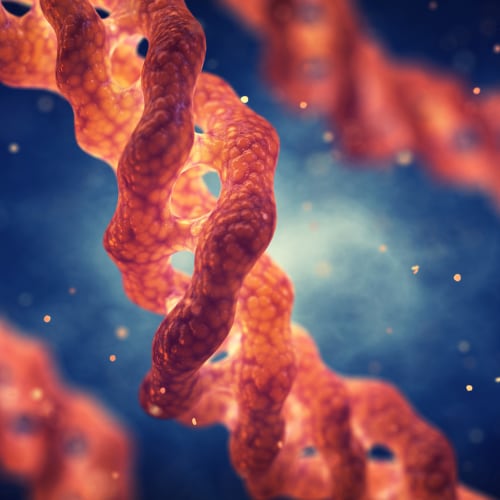
What Amino Acids Are and How They Are Commonly Understood
Amino acids are commonly described as the building components of protein. They are present in both plant and animal foods and participate in many ongoing processes within the body.
Within the broader category of amino acids and protein-based supplements, amino acids are best understood as foundational nutritional components closely tied to food intake, protein structure, and everyday dietary patterns rather than as isolated inputs on their own.
What amino acids are
Amino acids are small compounds that link together in different combinations to form proteins. These proteins are involved in structure, transport, signaling, enzyme activity, and many other ongoing physiological processes.
Rather than functioning independently in everyday nutrition, amino acids are usually discussed in relation to the proteins they form and the foods that provide them.
This relationship helps explain why amino acids are often considered a foundational concept within nutrition rather than a completely separate supplement category.
Why amino acids are closely tied to protein
Proteins are built from chains of amino acids arranged in different sequences. The structure of those sequences influences how proteins are organized and used throughout the body.
Because of this connection, discussions about protein intake are often also discussions about amino acid intake, even when amino acids are not mentioned directly.
In everyday eating patterns, amino acids are usually encountered through protein-containing foods rather than as isolated compounds.
For more on how proteins fit into broader eating routines, see How Protein Intake Fits Into Daily Routines.
How amino acids are commonly grouped
Amino acids are often categorized according to how the body obtains or produces them.
Essential amino acids
Essential amino acids must be obtained through food because the body cannot produce them in sufficient amounts on its own. They are commonly discussed in relation to dietary protein quality and overall eating patterns.
Foods that naturally contain all essential amino acids are often described as complete protein sources.
Non-essential amino acids
Non-essential amino acids can be produced internally as part of normal physiological activity. Their presence reflects broader metabolic processes rather than just direct intake.
Conditional amino acids
Conditional amino acids are generally discussed in relation to changing conditions where normal production patterns may shift depending on context, routine, or overall physiological demands.
These categories help organize amino acids conceptually, but in everyday nutrition, they are still closely tied to broader food and protein patterns.
Where amino acids come from
Amino acids are obtained primarily through protein-containing foods. Animal-based foods such as meat, fish, eggs, and dairy naturally contain complete amino acid profiles, while plant foods may provide different amino acid proportions depending on the source.
Legumes, grains, seeds, nuts, soy foods, and certain plant protein blends also contribute amino acids within everyday eating patterns.
Because amino acids are so closely tied to food intake, they are usually experienced as part of broader meals and dietary routines rather than as isolated nutritional inputs.
How amino acids are commonly discussed in supplements
Although amino acids are naturally present in protein-containing foods, they also appear in isolated supplement forms such as capsules, powders, drink mixes, and blended formulations.
Some products focus on individual amino acids, while others combine several amino acids. In many cases, these products are discussed alongside broader patterns of protein intake rather than as separate nutritional systems.
This overlap helps explain why amino acid supplements are often grouped with protein powders and meal-support products.
For more on how protein-based products fit into daily eating habits, see Understanding Protein Powders in Everyday Nutrition.
Why complete and incomplete proteins matter
Because amino acids are linked to protein structure, discussions about protein quality often involve how amino acids are distributed within foods.
Some foods naturally contain all essential amino acids in substantial amounts, while others provide varying proportions depending on the source. This is one reason protein sources are frequently compared within everyday nutrition discussions.
For more on this distinction, see Complete vs Incomplete Proteins.
How amino acids fit into everyday routines
In daily life, amino acids are usually understood through consistency of protein intake rather than through isolated compounds alone. Meals, snacks, protein-containing foods, and broader dietary patterns all influence how amino acids are encountered over time.
Some people pay closer attention to amino acid intake within structured nutrition or exercise routines, while others encounter amino acids more indirectly through ordinary food patterns.
Either way, amino acids remain closely connected to overall dietary structure rather than functioning separately from food itself.
Why amino acids can seem complicated
Amino acids can sometimes feel confusing because they are discussed in several overlapping ways at once. They may be described in terms of food sources, protein quality, isolated supplements, exercise routines, or broader nutritional discussions, depending on the context.
In addition, scientific terminology surrounding amino acids can make the category appear more technical than it is in everyday life.
At a foundational level, amino acids are simply the smaller compounds that make up proteins and help organize how protein-containing foods are understood within nutrition.
Food, routine, and long-term patterns
Amino acids are most useful to understand within the broader context of eating habits and long-term dietary patterns. Because they are closely tied to protein intake, they are generally shaped by meal structure, food variety, and consistency over time rather than by isolated moments.
This is one reason amino acids are often discussed as part of overall nutrition instead of as completely independent compounds.
Bringing it together
Amino acids are the building components of proteins and are closely tied to everyday food intake and nutritional patterns. They participate in many ongoing physiological processes and are usually encountered through protein-containing foods rather than as isolated compounds.
Understanding amino acids in this broader context helps clarify why they are grouped alongside protein powders, meal-support products, and other protein-based supplements within everyday nutrition.
Rather than functioning as a separate nutritional system, amino acids are best understood as part of the larger relationship between food, protein intake, and long-term dietary consistency.

 Session Expired from Inactivity