Optimizing Your Home Workspace for Focus and Well-Being
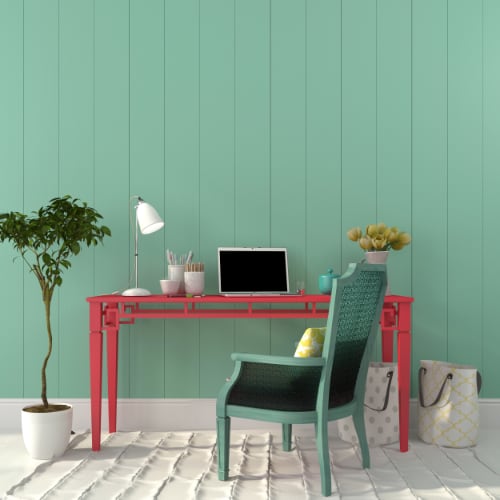
Understand how to create an organized, ergonomic home workspace that enhances productivity and well-being.
Implement workspace adjustments, establish routines, and set boundaries to maintain efficiency and balance.
A well-designed home workspace supports both productivity and personal wellness, helping maintain focus and reduce stress.
Understand how to create an organized, ergonomic home workspace that enhances productivity and well-being.
Implement workspace adjustments, establish routines, and set boundaries to maintain efficiency and balance.
A well-designed home workspace supports both productivity and personal wellness, helping maintain focus and reduce stress.
The space where you work impacts focus, productivity, and well-being. Whether working remotely full-time or occasionally, setting up a functional home workspace helps create structure and balance. A designated work area, good ergonomics, and intentional routines improve efficiency and reduce stress. This topic explores practical ways to design an effective home workspace and maintain a work-life balance.
Your workspace should be separate from relaxation areas, minimizing distractions and promoting focus. A quiet, well-lit area with enough room for essential equipment works best.
Proper desk and chair setup reduces physical strain and improves comfort. Ergonomics prevent fatigue, back pain, and repetitive strain injuries.
A structured workday improves time management and work-life balance. Define start and end times, and stick to them as if working in an office.
Breaks are essential for maintaining focus and preventing burnout. Short pauses throughout the day refresh the mind and body.
Separating work from personal time prevents burnout and enhances well-being. Communicate your availability to family and colleagues.
Staying active and making healthy choices supports physical and mental well-being.
A productive home workspace is more than a desk and a chair-it's an environment that supports focus, efficiency, and well-being. You can optimize both productivity and work-life balance by setting up a designated workspace, following structured routines, and maintaining healthy habits.
 Session Expired from Inactivity
Do you want to?



SupplementRelief.com provides general educational information about everyday health, dietary supplements, and related wellness topics. The information on this website is intended to support understanding, not to provide medical diagnosis, treatment, or individualized health advice. Health decisions are personal and should be made in the context of an individual's own circumstances and, when appropriate, in consultation with a qualified healthcare professional.
Unless otherwise noted, the content, design, and images on this website are copyrighted or used under license and are provided for personal, non-commercial use only. Unauthorized reproduction, redistribution, or commercial use is prohibited. © 2010–2026 SupplementRelief.com. All rights reserved.
Health education is organized through the Whole-Person Health Model and Supplement Education Model.
Are you sure you want to remove this item?