Foundation 4: Thinking and Feeling | Your Wellness Lifestyle
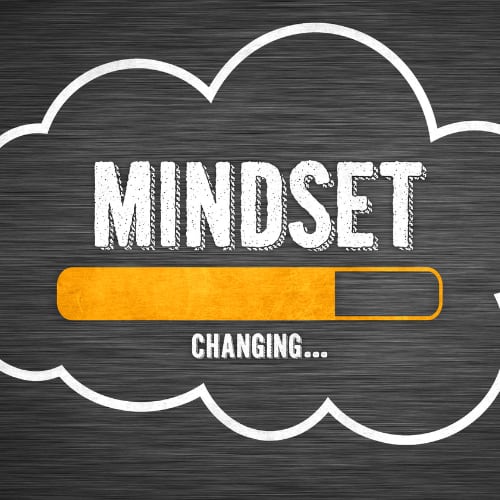
Understand how patterns of thinking and emotional response influence stress, behavior, and long-term health.
Begin to notice how repeated thoughts and emotional responses shape daily experience and behavior.
Mental and emotional patterns influence long-term health through what is experienced and repeated consistently.
Understand how patterns of thinking and emotional response influence stress, behavior, and long-term health.
Begin to notice how repeated thoughts and emotional responses shape daily experience and behavior.
Mental and emotional patterns influence long-term health through what is experienced and repeated consistently.
Thinking and feeling influence how stress is interpreted, how quickly balance is restored, and how consistently supportive behaviors are maintained. This foundation introduces everyday mental and emotional patterns as steady influences on long-term health.
Mental and emotional patterns are part of everyday life. How situations are interpreted and how responses are felt influence how each day unfolds. These patterns are often continuous, shaping experience from moment to moment.
Because they are ongoing, thoughts and emotions influence how the body and mind respond to daily conditions. They are not separate from daily life but are part of how it is experienced.
Stress is not only determined by external events. It is also influenced by how those events are interpreted. The same situation can feel different depending on how it is understood and experienced.
This means that mental and emotional patterns play a role in how stress is processed. Repeated ways of interpreting situations can influence how often stress is felt and how it affects the body over time.
Thoughts and emotions are closely connected to behavior. They influence decisions, reactions, and daily actions in subtle ways. These influences often go unnoticed.
When these patterns are repeated consistently, they begin to shape how behavior unfolds over time. This connection makes mental and emotional patterns a steady influence on long-term outcomes.
The central idea in this topic is that mental and emotional patterns develop through consistency. Repeated ways of thinking and responding become familiar and more likely to continue.
Over time, these patterns contribute to how balance is maintained and restored. What is experienced regularly becomes the foundation for how thoughts and emotions influence daily life.
Mental & Emotional Health refers to the patterns of thinking, emotional response, and psychological experience in daily life. In everyday terms, this includes how you interpret situations, how you feel throughout the day, and how those thoughts and emotions shape your experience.
Consistency refers to the repeated performance of behaviors across time. In everyday life, this means doing something regularly across days, weeks, and months, rather than occasionally or in bursts.
 Session Expired from Inactivity
Do you want to?



SupplementRelief.com provides general educational information about everyday health, dietary supplements, and related wellness topics. The information on this website is intended to support understanding, not to provide medical diagnosis, treatment, or individualized health advice. Health decisions are personal and should be made in the context of an individual's own circumstances and, when appropriate, in consultation with a qualified healthcare professional.
Unless otherwise noted, the content, design, and images on this website are copyrighted or used under license and are provided for personal, non-commercial use only. Unauthorized reproduction, redistribution, or commercial use is prohibited. © 2010–2026 SupplementRelief.com. All rights reserved.
Health education is organized through the Whole-Person Health Model and Supplement Education Model.
Are you sure you want to remove this item?