New Habits Replace Old Habits | Your Wellness Lifestyle
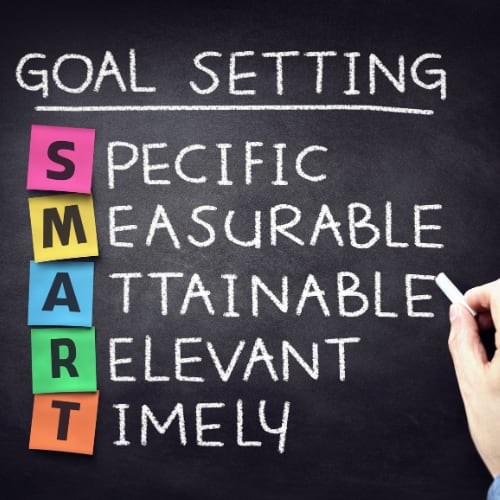
Understand how repeated behaviors form habits and gradually replace existing patterns through consistent action.
Begin to notice how repeated actions become more automatic and how new patterns take the place of older ones over time.
Lasting change happens by building new patterns through repetition, not by simply trying to eliminate old ones.
Understand how repeated behaviors form habits and gradually replace existing patterns through consistent action.
Begin to notice how repeated actions become more automatic and how new patterns take the place of older ones over time.
Lasting change happens by building new patterns through repetition, not by simply trying to eliminate old ones.
Lasting change rarely happens by eliminating behavior alone. It happens by replacing old patterns with new ones that are repeated consistently over time. This process unfolds gradually, as new actions begin to take hold and become part of daily life.
Habits form through repeated action. What begins as a deliberate effort can become more stable over time when it is performed regularly. This repetition strengthens the pattern, making it more likely to continue.
New behaviors do not immediately replace old ones. Instead, they must be repeated enough times to establish a presence. Over time, this repetition allows new patterns to become more familiar and more consistent.
Trying to stop a behavior without replacing it often leaves a gap. Existing patterns tend to continue unless something else takes their place. This is why replacement plays a central role in how habits change.
When a new behavior is introduced and repeated consistently, it begins to occupy the space previously held by older patterns. Gradually, the new behavior becomes the default in that situation.
Consistency reinforces habit formation. Repeating a behavior across days and weeks allows it to stabilize and become more predictable. Without this repetition, new behaviors are less likely to take hold.
Small, repeated actions are often more influential than occasional effort. Over time, consistent execution builds a pattern that can be sustained with less effort and greater reliability.
As behaviors are repeated, they begin to require less conscious effort. This shift toward automaticity allows actions to feel more natural and less demanding. What once required attention can become part of routine.
New habits are more likely to persist when they fit within existing daily life. When behaviors align with real schedules and responsibilities, they are easier to repeat and more likely to become established over time.
Habit Formation refers to the process through which repeated actions become stable and automatic behaviors. In everyday life, this describes how something you do on purpose at first gradually becomes something you do without thinking.
Consistency refers to the repeated performance of behaviors across time. In everyday life, this means doing something regularly across days, weeks, and months, rather than occasionally or in bursts.
Automaticity refers to the degree to which a behavior is performed with little or no conscious effort. In everyday life, this means actions that feel natural and routine, and that require minimal thought to carry out.
Behavior Integration refers to the incorporation of behaviors into existing daily routines, so they fit naturally within the flow of everyday life. In everyday terms, this means making behaviors work within your real schedule and responsibilities.
 Session Expired from Inactivity
Do you want to?



SupplementRelief.com provides general educational information about everyday health, dietary supplements, and related wellness topics. The information on this website is intended to support understanding, not to provide medical diagnosis, treatment, or individualized health advice. Health decisions are personal and should be made in the context of an individual's own circumstances and, when appropriate, in consultation with a qualified healthcare professional.
Unless otherwise noted, the content, design, and images on this website are copyrighted or used under license and are provided for personal, non-commercial use only. Unauthorized reproduction, redistribution, or commercial use is prohibited. © 2010–2026 SupplementRelief.com. All rights reserved.
Health education is organized through the Whole-Person Health Model and Supplement Education Model.
Are you sure you want to remove this item?


