Foundation 2: Moving Your Body | Your Wellness Lifestyle
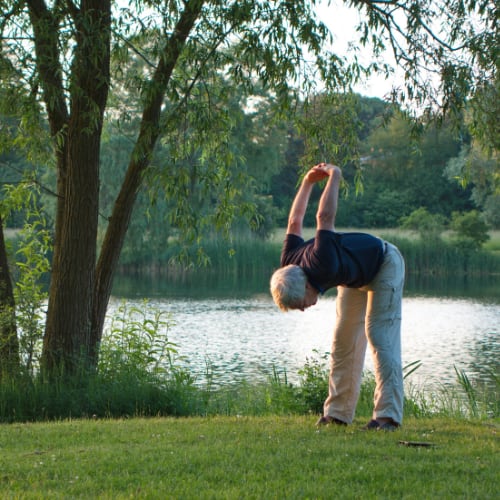
Understand movement as a daily pattern that supports long-term physical function and adaptability.
Begin to notice how consistent daily activity contributes to overall movement patterns.
Movement supports the body most when it is repeated regularly, not when it is done occasionally at high intensity.
Understand movement as a daily pattern that supports long-term physical function and adaptability.
Begin to notice how consistent daily activity contributes to overall movement patterns.
Movement supports the body most when it is repeated regularly, not when it is done occasionally at high intensity.
Movement supports strength, circulation, energy, and adaptability across the lifespan. This foundation emphasizes regular daily activity rather than intensity, helping establish movement as a normal and sustainable part of life.
Movement is not limited to structured exercise. It includes all the ways the body is used throughout the day, from walking and standing to completing everyday tasks. These actions make up the majority of physical activity over time.
Because movement occurs throughout the day, it becomes a consistent influence on how the body functions. Regular use of the body supports ongoing activity rather than relying on occasional effort.
How often the body is used plays a larger role than isolated moments of effort. Daily patterns of movement influence strength, circulation, and energy in steady ways.
These patterns develop gradually. What is repeated across days and weeks becomes the baseline for how the body operates over time.
Movement does not need to be extreme to be meaningful. Regular activity, even at lower intensity, contributes to long-term function when it is repeated consistently.
Occasional bursts of activity have less influence than patterns that are maintained over time. Consistency allows movement to become part of daily life rather than something separate from it.
The body responds to how it is used. Regular movement helps maintain the ability to adapt to physical demands across different stages of life.
When movement is part of everyday routine, it steadily supports ongoing function. This foundation reflects how repeated activity shapes the body over time.
Movement refers to the physical activity and movement patterns performed throughout daily life. In everyday terms, this includes how often and how consistently you use your body—whether through exercise, daily tasks, or general activity.
Consistency refers to the repeated performance of behaviors across time. In everyday life, this means doing something regularly across days, weeks, and months, rather than occasionally or in bursts.
 Session Expired from Inactivity
Do you want to?



SupplementRelief.com provides general educational information about everyday health, dietary supplements, and related wellness topics. The information on this website is intended to support understanding, not to provide medical diagnosis, treatment, or individualized health advice. Health decisions are personal and should be made in the context of an individual's own circumstances and, when appropriate, in consultation with a qualified healthcare professional.
Unless otherwise noted, the content, design, and images on this website are copyrighted or used under license and are provided for personal, non-commercial use only. Unauthorized reproduction, redistribution, or commercial use is prohibited. © 2010–2026 SupplementRelief.com. All rights reserved.
Health education is organized through the Whole-Person Health Model and Supplement Education Model.
Are you sure you want to remove this item?


