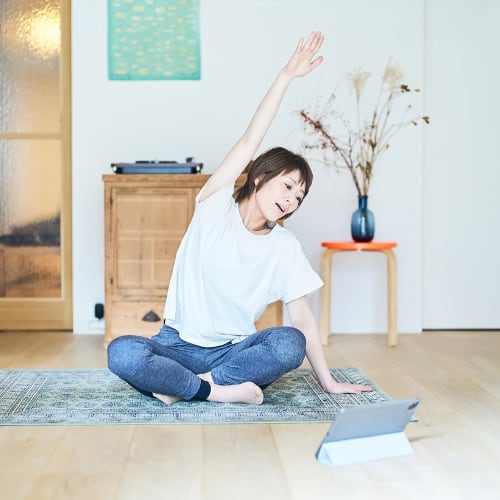
Yoga for Strength, Mobility, and Steady Living
Yoga offers a calm, practical way to stay strong, move comfortably, and settle daily tension. It does not require special flexibility or long sessions. Simple postures, slower breathing, and steady pacing make it a reliable tool for maintaining ease and confidence in everyday movement.
What yoga is in practical terms
Yoga is a form of intentional movement built around slow transitions and steady breathing. It encourages people to move with awareness rather than rushing through positions or chasing difficult poses. There is no requirement to be athletic or highly flexible, and the focus stays on what feels safe rather than on performance. The value comes from noticing how the body feels, moving within comfortable limits, and returning to the practice regularly.
How yoga fits into healthy movement
Daily life has gradually shifted toward more sitting and less natural movement. Over time, this can make joints feel stiff, muscles less responsive, and balance less sure. Yoga helps restore basic patterns the body relies on, such as bending with control, rotating gently, and holding postures without strain. These small abilities support confident movement in everyday tasks, including walking, reaching, and getting up from chairs.
Many of these changes reflect a broader decline in natural movement patterns over the past century, as daily routines in many modern lifestyles have shifted toward greater inactivity compared with earlier generations. Yoga can serve as a simple way to reintroduce deliberate movement into that quieter baseline.
Strength, mobility, and balance
Slow, controlled postures help strengthen areas that tend to weaken first, such as the legs, hips, and deep core muscles. Gentle stretching supports comfortable mobility without forcing the body into difficult positions or extreme ranges of motion. Balance improves as movements become more deliberate and the body learns how to adjust to small shifts in weight. Over time, these steady gains make walking, lifting, and bending feel more stable, secure, and less effortful.
Supporting steadier breathing and clearer thinking
Many people notice that yoga encourages a quieter, more deliberate breath. This can help soften the physical signs of stress, such as muscle tightness or shallow breathing, and create a sense of steadiness. When breathing slows, thinking often becomes clearer and less reactive, making it easier to respond rather than react to daily pressures. Simple breathing patterns that favor long, slow exhales can be especially helpful for supporting calm and focus during ordinary routines.
How yoga supports emotional steadiness and mindset
The unhurried pace of yoga offers room to notice tension, habits of bracing, or patterns that come from rushing. As these patterns become clearer, many people find it easier to navigate daily stress with greater composure and fewer sudden spikes in irritation or worry. The practice encourages a more observational mindset, where sensations and thoughts are noticed rather than immediately judged. Over time, this can support a steadier emotional baseline and a more resilient outlook in everyday situations.
How yoga supports the Four Foundations of Wellness
Yoga touches several areas that influence long-term well-being: regular movement, mindful breathing, clearer thinking, and more intentional choices. Its slow pace encourages people to stay present and notice early signs of tension or fatigue before they build into larger problems. This kind of attention naturally supports simple, steady habits that make it easier to care for the body and mind day after day. In practical terms, yoga can work alongside other everyday choices that build a more stable foundation for health across movement, food, breath, and mindset.
Connections to hormone changes
Many people experience shifts in sleep, mood, or energy as hormones change throughout life. Yoga does not directly alter hormone patterns, but its calm, repetitive structure can help create steadier daily rhythms that support the body's natural regulation. Gentle movement and slower breathing may make it easier to unwind in the evening or to reset after stressful moments during the day. These experiences sit alongside broader patterns in how hormones influence comfort, focus, and overall well-being for many adults over 40.
Choosing a form of yoga that feels comfortable
Gentle or hatha yoga, restorative sessions, chair-supported classes, and slow flow practices often work well for those who want steady, controlled movement. Comfort should guide every choice, especially for people with joint concerns, prior injuries, or limited flexibility. Props such as blocks, straps, or cushions can reduce strain and help the body find positions that feel safe and sustainable. A good instructor prioritizes clarity, alignment, and gradual transitions so that participants feel supported rather than pushed.
Starting slowly and building consistency
Short sessions of 10 to 15 minutes are often enough to notice small improvements in comfort and confidence. Beginning slowly helps the body learn the movements without discomfort or unnecessary soreness. Modifications are always acceptable, and there is no need to push into deep stretches or complex poses to gain benefit. Progress usually comes from repetition rather than intensity, especially when sessions are spaced consistently through the week.
A practical weekly rhythm
A simple weekly routine might include one gentle strength-focused session, one restorative practice, a short breathing-centered session, and an additional day of light stretching. Most people find that steady pacing matters more than long or strenuous workouts, particularly when they are balancing work, family, and other responsibilities. Home routines often feel easier to maintain when paired with small habits that support comfort and consistency, such as preparing a quiet space or using familiar movements.
These small choices can gradually turn yoga into a regular part of everyday life, rather than an occasional effort. Over time, that steady practice supports a calmer environment at home, more predictable routines, and a feeling that daily life is easier to manage within the spaces people use most often.

 Session Expired from Inactivity