Wellness at Home | Your Wellness Lifestyle
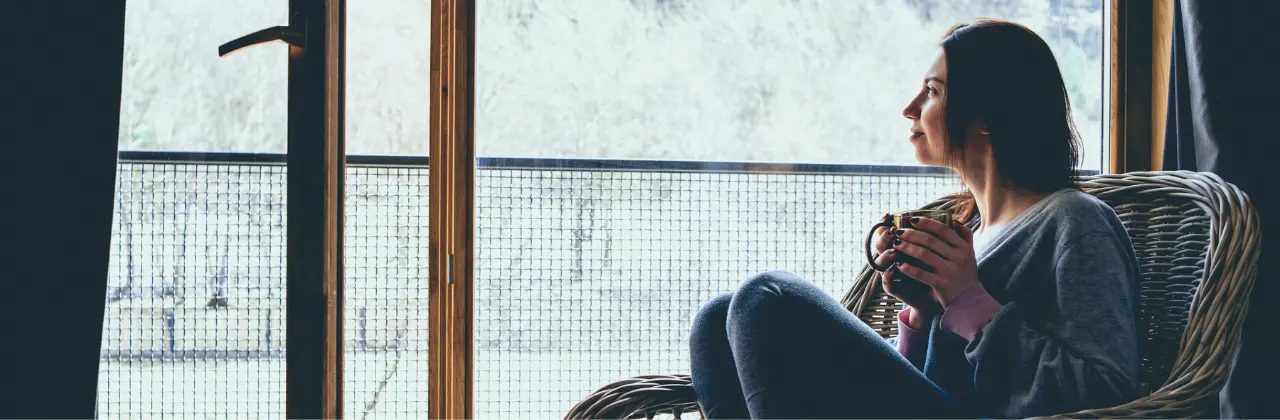
The home environment quietly shapes everyday habits.
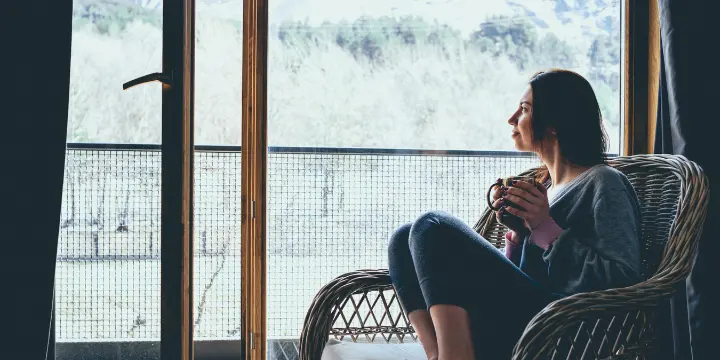
Understand how home environments influence daily patterns of eating, movement, recovery, stress exposure, and overall well-being.
Begin recognizing how simple adjustments to surroundings-such as food availability, movement opportunities, sleep conditions, and digital exposure-can make supportive habits easier to maintain over time.
The environments we live in quietly shape many of our daily choices.
Understand how home environments influence daily patterns of eating, movement, recovery, stress exposure, and overall well-being.
Begin recognizing how simple adjustments to surroundings-such as food availability, movement opportunities, sleep conditions, and digital exposure-can make supportive habits easier to maintain over time.
The environments we live in quietly shape many of our daily choices.
The home environment plays a central role in shaping daily habits, often without requiring conscious effort. What is available, visible, and easy to access influences how people eat, move, rest, and respond to stress. By understanding how the environment shapes behavior, it becomes possible to create conditions that support more consistent and sustainable patterns over time.
Daily behaviors are not shaped by intention alone. The environments people move through each day influence what feels easy, what requires effort, and what tends to happen repeatedly over time.
The foods that are available at home play a major role in shaping daily eating patterns. What is present, visible, and easy to access often determines what is eaten without requiring deliberate decision-making.
Movement is influenced by the spaces people spend time in. The way a home is arranged can make physical activity more visible, more accessible, and more likely to occur throughout the day.
The environment in which sleep occurs influences how restorative it feels. Conditions such as light, noise, temperature, and physical setup all shape how easily the body transitions into rest and maintains it throughout the night.
Digital devices are part of everyday life, shaping how attention is directed and how information is experienced. The flow of notifications, messages, and content can influence focus, stress, and daily routines over time.
The people we live with influence how daily life unfolds. Household routines, shared responsibilities, and everyday interactions all shape patterns of behavior and emotional experience over time.
Many daily habits are influenced less by motivation and more by the environments in which people live. The foods available in the kitchen, the visibility of opportunities for movement, the presence of screens and notifications, and the routines shared with others all influence behavior in subtle but powerful ways. Over time, these environmental cues help determine whether supportive patterns become easy to repeat or difficult to maintain.
When the home environment supports nourishing food, regular movement, restorative sleep, and manageable digital exposure, daily choices often require less effort. Instead of relying on constant decision-making, the environment itself begins to guide behavior in a more consistent direction.
Creating a supportive home environment does not require a major redesign. Simple changes such as organizing the kitchen for better food choices, creating space for movement, establishing calming evening routines, and managing digital distractions can gradually influence daily behavior.
As the course continues, the next module explores how wellness practices are adapted to individual circumstances, recognizing that health patterns must fit personal needs, environments, and life stages to remain sustainable over time.
 Session Expired from Inactivity
Do you want to?



SupplementRelief.com provides general educational information about everyday health, dietary supplements, and related wellness topics. The information on this website is intended to support understanding, not to provide medical diagnosis, treatment, or individualized health advice. Health decisions are personal and should be made in the context of an individual's own circumstances and, when appropriate, in consultation with a qualified healthcare professional.
Unless otherwise noted, the content, design, and images on this website are copyrighted or used under license and are provided for personal, non-commercial use only. Unauthorized reproduction, redistribution, or commercial use is prohibited. © 2010–2026 SupplementRelief.com. All rights reserved.
Health education is organized through the Whole-Person Health Model and Supplement Education Model.
Are you sure you want to remove this item?