Why Massage Therapy?
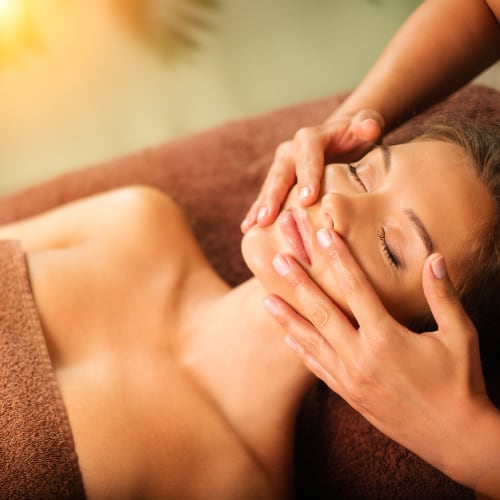
Massage therapy is a time-tested practice used to loosen tense muscles, settle the nervous system, and support overall well-being. Many people seek it out as a practical way to reduce the strain that builds up during long workdays, routine stress, or physical effort. Its calming, hands-on nature makes it a steady complement to other lifestyle habits that support long-term health.
A long history of therapeutic touch
Massage therapy has roots in many early medical traditions. It appears in historical texts from Egypt, China, India, and Greece, where hands-on techniques were used to ease pain and restore comfort. In systems like Ayurveda and Traditional Chinese Medicine, massage supports circulation, recovery, and balance throughout the body. Greek physicians also valued it for maintaining strength, flexibility, and mental clarity.
Across cultures, massage became recognized as a practical form of care rather than a luxury. Its persistence through thousands of years reflects a simple truth: gentle, deliberate touch helps the body relax and function more comfortably. Modern naturopathic approaches often incorporate similar principles, as described in our overview of naturopathic medicine, which also emphasizes whole-person support.
The benefits of massage therapy
Massage therapy can support several aspects of physical comfort and recovery. Its effects are especially noticeable when tension, stiffness, or prolonged sitting begin to interfere with daily activities. Many people pair massage with simple movement habits, such as gentle stretching or walking, to help their bodies stay loose and mobile, similar to the ideas explored in our guide on embracing healthier movement patterns.
Muscle tension relief
Repeated stress, posture habits, and daily strain can cause muscles to tighten and restrict movement. Massage helps relax these areas by warming the tissue and releasing knots, thereby improving comfort and mobility over time.
Improved circulation
Hands-on pressure encourages blood flow to muscles and connective tissues. Better circulation supports nutrient delivery and helps remove metabolic waste, contributing to overall tissue health.
Pain management support
Massage can be a useful addition to pain-management routines, especially for chronic tightness or soreness that builds after physical activity. Reducing muscle tension and promoting relaxation may help people experience steadier comfort throughout the day.
The psychological benefits of massage therapy
Massage does more than relax muscles. It also helps calm the nervous system, making it a practical tool for managing everyday stress.
Stress reduction
The steady pressure and predictable rhythm used in massage can activate the body's relaxation response. As the nervous system shifts out of its heightened state, people often notice a decrease in tension, irritability, or restlessness.
Improved mood
Relaxation techniques, including massage, may help support healthier levels of neurotransmitters associated with well-being. Many people find they feel lighter, calmer, or more balanced after a session.
Support for anxious or low moods
Massage is not a treatment for clinical mental health conditions, but its calming effects can complement the work people do with their practitioners. By helping the body settle, it may make emotional self-care practices more accessible.
Common massage techniques
Different massage styles offer varying levels of pressure, depth, and focus. Choosing the right method depends on individual comfort and the type of tension being addressed.
Swedish massage
Swedish massage uses long, smooth strokes and light kneading to promote overall relaxation. It is well-suited for people seeking gentle tension relief and a calmer state of mind.
Deep tissue massage
Deep tissue techniques target the deeper layers of muscle and connective tissue. This approach may be helpful for those experiencing long-standing tightness or stiffness that requires firmer pressure.
Trigger point therapy
Trigger point work focuses on specific areas of tightness that can cause discomfort in other parts of the body. Gentle, sustained pressure can help release these spots and restore more natural movement.
Massage therapy in modern wellness
Massage therapy fits naturally within a broader approach to holistic wellness, where lifestyle habits, stress regulation, and physical care all work together to support overall health. This perspective aligns with the whole-person approach described in our overview of holistic medicine. Massage also pairs well with restorative practices such as stretching, slow breathing, or mindful movement, including the calming breathing approaches outlined in our guide to using breath to support the nervous system.
Because massage can help prevent the gradual build-up of tension, many people choose regular sessions to stay ahead of discomfort rather than waiting for pain to appear. Session length, pressure, and technique can all be tailored to individual needs and preferences.
Some people also pair massage with structural approaches such as chiropractic care, especially when they want support for joint mobility or postural alignment. These therapies address different aspects of comfort and function, a relationship explored further in our guide to chiropractic medicine.
Massage therapy for specific groups
Some forms of massage are designed for particular stages of life or specialized needs. Prenatal, geriatric, sports, pediatric, and post-surgical massage each support unique considerations while applying the same principles of gentle, hands-on care.
Choosing the right therapist
A good massage experience depends on skill, communication, and comfort. Look for a therapist with proper training, clear credentials, and a professional setting. An attentive therapist will listen to your concerns, adjust pressure as needed, and ensure that the session supports your goals.
The steady value of massage therapy
Massage therapy offers practical support for both physical comfort and emotional steadiness. By loosening tense muscles and calming the nervous system, it helps the body shift back toward balance. When used consistently alongside everyday wellness habits, massage becomes a reliable tool for improving how you feel and function throughout the day.

 Session Expired from Inactivity