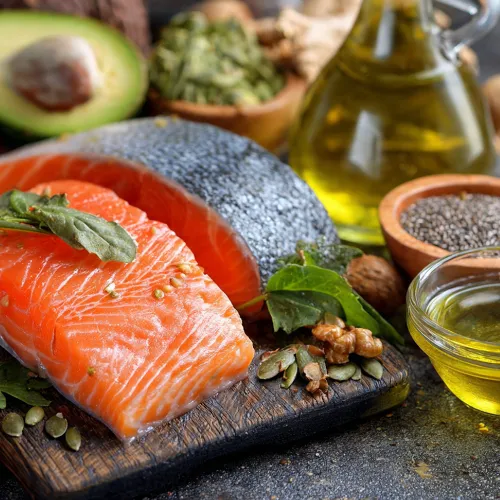
Why Fat-Based Supplements Are Often Taken With Meals
Deep dive
Fat-based supplements are commonly discussed differently from many other supplement categories because fats are naturally incorporated into meals and everyday eating patterns. Oils, softgels, and lipid-based products are usually interpreted within the context of food, digestion, and long-term dietary routines rather than as isolated nutritional events.
Within the broader category of fatty acids and lipid-based supplements, fat-based supplements are best understood through how they fit into meals, food preparation, and repeated intake patterns over time.
Why fats are naturally connected to meals
Unlike some nutrients commonly consumed independently, fats are usually encountered as part of broader eating patterns involving foods, oils, sauces, dressings, cooking practices, and meal structure.
Because fats are already closely tied to food intake, fat-based supplements are often discussed within the context of meals rather than as completely separate from eating itself.
This helps explain why many oil-based supplements are commonly recommended alongside food or meal routines.
How fats are processed in everyday nutrition
Fats move through digestive processes that are naturally connected to meal intake and food composition. Oils and dietary fats are usually consumed together with proteins, carbohydrates, sauces, dressings, and other meal components rather than in complete isolation.
As a result, discussions surrounding fat-based supplements often focus more on food context and routine incorporation than on isolated moments of intake.
This broader perspective helps keep lipid-based supplements connected to ordinary eating habits rather than treating them as entirely separate systems.
Why oils are often taken with food
Many fat-based supplements are commonly taken alongside meals because oils are already associated with food digestion and meal structure within everyday life.
Softgels, fish oils, algae oils, cod liver oils, and blended fatty acid products are frequently incorporated into breakfast, lunch, or dinner routines where food intake is already occurring.
This repeated pairing of oils with meals is one reason fat-based supplements are often discussed through routine and consistency rather than through isolated timing strategies.
How supplement format influences routines
Fat-based supplements are commonly available as:
- Softgels
- Liquid oils
- Emulsified oils
- Capsules
- Flavored oil preparations
These formats reflect how oils are naturally handled and incorporated into everyday routines. Some oils are mixed into foods or beverages, while others are taken alongside meals as part of a regular supplement regimen.
The supplement format often shapes how the product fits into daily schedules and meal patterns.
Why fats behave differently from powders and water-based supplements
Fat-based supplements are often discussed differently from powders, tablets, or water-based compounds because oils behave differently within foods and digestive processes.
Oils naturally mix with fats already present in meals and are frequently described through food-related language involving cooking, dressings, sauces, softgels, or liquid intake.
This distinction helps explain why lipid-based supplements are commonly interpreted through broader meal context rather than through isolated nutrient delivery alone.
How this connects to food oils and dietary fats
Many supplement oils closely resemble fats already present in ordinary dietary patterns. Fish oil, flaxseed oil, algae oil, and other supplement oils are generally concentrated forms of fats that also appear in foods and cooking oils.
This overlap reinforces why fat-based supplements are often discussed more like extensions of dietary fat intake rather than as entirely separate nutritional systems.
For more on how food oils and supplement oils overlap, see Food Oils vs Supplement Oils.
How omega fatty acids shape supplement discussions
Many fat-based supplements are organized around omega fatty acids such as omega-3, omega-6, and omega-9 fats. These fatty acid categories help structure how oils are discussed across foods, supplements, and long-term dietary patterns.
Because omega fats are strongly associated with oils and meals, supplement discussions often remain closely tied to broader food intake rather than isolated nutrient timing.
For more on how omega fats are categorized, see Omega-3, Omega-6, and Omega-9 Fatty Acids Explained.
Why consistency is emphasized over isolated intake
Fat-based supplements are commonly associated with repeated long-term routines rather than occasional use because fats themselves are generally discussed through overall dietary patterns over time.
Meals, cooking habits, oil use, supplement schedules, and recurring food choices all contribute to how fats are experienced throughout everyday life.
This emphasis on consistency helps explain why discussions surrounding oils and fatty acids are usually framed around long-term incorporation into meals and routines.
Why lipid-based supplement discussions can feel technical
Lipid-based supplements can sometimes feel more technical because discussions often involve oils, fatty acid categories, marine sources, plant oils, softgels, emulsions, and digestive terminology all at once.
At the same time, many of these products are fundamentally just concentrated forms of fats already encountered throughout ordinary meals and food preparation habits.
Understanding this broader food connection helps simplify how fat-based supplements fit into everyday nutrition.
Food, routine, and long-term dietary structure
Fat-based supplements are most useful to understand within the broader context of food patterns and meal structure rather than isolated intake moments alone. Most people encounter fats repeatedly through meals, oils, sauces, snacks, cooking practices, and supplement routines over time.
This broader perspective helps keep lipid-based supplement discussions grounded in ordinary dietary habits and long-term consistency rather than reducing oils to isolated nutrient-delivery systems.
Bringing it together
Fat-based supplements are commonly taken with meals because fats are naturally connected to food intake, digestion, and broader eating patterns. Oils and lipid-based products are typically incorporated through recurring meal routines rather than isolated use.
Understanding fat-based supplements in this context helps connect oils, softgels, foods, and long-term dietary structure into a larger framework involving routine, consistency, and everyday nutrition.
Rather than existing separately from ordinary meals, lipid-based supplements are best understood as concentrated forms of fats that fit into broader food and oil patterns over time.

 Session Expired from Inactivity