Food Oils vs Supplement Oils
Deep dive
Fats are commonly encountered through both ordinary foods and concentrated oil-based supplements. Although these sources are often discussed together, food oils and supplement oils are usually incorporated into everyday routines in different ways.
Within the broader category of fatty acids and lipid-based supplements, understanding the difference between food oils and supplement oils helps explain how fats are organized across cooking practices, meals, softgels, liquid oils, and long-term dietary patterns.
What food oils are
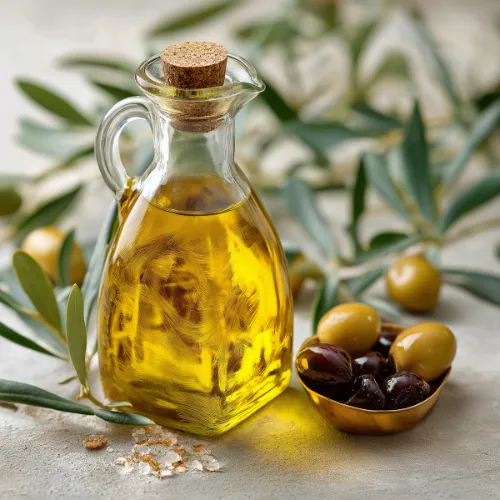
Food oils are oils primarily used in cooking, food preparation, sauces, dressings, and meal routines. These oils are integrated directly into meals and are usually consumed as part of broader dietary patterns rather than as isolated additions.
Common examples include:
- Olive oil
- Avocado oil
- Canola oil
- Sunflower oil
- Sesame oil
- Coconut oil
- Flaxseed oil used in foods or dressings
Because food oils are tied closely to cooking and meal preparation, they are often discussed through food traditions, culinary use, and broader eating habits.
What supplement oils are
Supplement oils are concentrated oil products typically consumed in softgels, capsules, liquid servings, or measured supplement formats. These products are usually organized around specific fatty acid compositions or oil sources rather than culinary use.
Common supplement oils include:
- Fish oil
- Krill oil
- Cod liver oil
- Algae oil
- Flaxseed oil softgels
- Evening primrose oil
- Blended omega oil formulations
Unlike cooking oils, supplement oils are generally incorporated more intentionally as part of structured routines or long-term intake habits.
Why oils are discussed differently in foods and supplements
Food oils are usually interpreted through meals, flavor, preparation style, and broader dietary patterns. Supplement oils, by contrast, are more commonly discussed in terms of fatty acid composition, oil concentration, omega categories, or delivery formats.
This difference helps explain why the same oil may be discussed very differently depending on whether it appears in a meal or a supplement product.
For example, olive oil is often discussed as part of cooking and food traditions, while fish oil is more commonly discussed through softgels, omega-3 content, and routine supplementation.
How oils overlap across food and supplement categories
Despite these differences, food oils and supplement oils are not completely separate systems. Many oils appear in both categories depending on how they are prepared and used.
Flaxseed oil, algae oil, and certain seed oils may appear in foods, dressings, smoothies, capsules, or concentrated supplement formats. Likewise, fish oils may be found in both ordinary seafood and in supplemental products.
This overlap helps explain why fats are usually discussed through broader dietary patterns rather than through isolated product categories alone.
How cooking and preparation influence food oils
Food oils are strongly connected to preparation style because they are directly involved in cooking, sautéing, roasting, baking, dressings, sauces, and meal construction.
The same oil may be used differently depending on temperature, culinary tradition, flavor preference, or meal structure.
This practical connection to cooking routines is one reason food oils are usually experienced as part of ordinary eating habits rather than as distinct nutritional interventions.
How supplement oils fit into routines
Supplement oils are often incorporated into repeated daily routines involving meals, supplement schedules, travel habits, or structured intake patterns.
Softgels and liquid oils are commonly taken alongside meals, partly because oils are already closely associated with food intake and broader dietary fat patterns.
Because these products are concentrated and portable, supplement oils are frequently interpreted as convenient ways to support consistency over time.
For more on why fat-based supplements are commonly taken with meals, see Why Fat-Based Supplements Are Often Taken With Meals.
How omega fatty acids connect food and supplement oils
Many food oils and supplement oils are discussed in relation to omega-3, omega-6, or omega-9 fatty acids. These categories help organize how oils are interpreted according to fatty acid composition and food source.
Fish oils are often associated with omega-3 fats such as EPA and DHA, while many vegetable oils are more closely associated with omega-6 or omega-9 patterns depending on the source.
For more on how omega fats are categorized, see Omega-3, Omega-6, and Omega-9 Fatty Acids Explained.
Why oil discussions can feel confusing
Oil discussions can sometimes feel difficult to interpret because oils are categorized in several overlapping ways at once. An oil may be described according to food source, fatty acid profile, culinary use, supplement format, or dietary pattern, depending on the discussion.
At the same time, many oils move freely between ordinary foods and supplement products, which further blurs the distinction between food oils and supplemental oils.
At a foundational level, however, both categories are simply different ways fats are incorporated into broader dietary routines.
How this relates to everyday dietary patterns
Food oils and supplement oils are both best understood within the context of larger eating patterns rather than as isolated nutritional systems.
Cooking practices, food traditions, supplement habits, dietary preferences, and meal structure all influence how oils are incorporated into everyday life over time.
For a broader look at how fats are discussed through long-term patterns and balance, see Why Fatty Acids Are Discussed as Balance Over Time.
Food, routine, and long-term consistency
Food oils and supplement oils are most useful to understand through broader dietary structure and routine consistency rather than isolated servings alone. Most people encounter fats repeatedly through meals, cooking practices, oils, packaged foods, and supplement habits over time.
This broader perspective helps keep discussions around oils grounded in food patterns and long-term dietary structure rather than reducing oils to isolated nutrient categories.
Bringing it together
Food oils and supplement oils represent two closely related ways fats are incorporated into everyday nutrition. Food oils are primarily integrated through cooking and meal preparation, while supplement oils are more often structured around concentrated intake and routine supplementation.
Although these categories are discussed differently, they overlap heavily through shared fatty acid composition, food origins, and broader dietary patterns.
Understanding food oils and supplement oils within the larger context of fatty acids and lipid-based supplements helps connect meals, cooking habits, supplements, and long-term eating patterns into a more cohesive picture of how fats are experienced in everyday life.

 Session Expired from Inactivity