Plant-Based Fatty Acid Sources
Deep dive
Plant-based oils and fatty acid sources are commonly discussed in relation to seeds, nuts, vegetable oils, and foods that contribute fats to everyday eating patterns. These sources are typically incorporated through regular meals, cooking routines, and food preparation rather than through isolated intake.
Within the broader category of fatty acids and lipid-based supplements, plant-based fats are best understood as one of the primary ways fats are encountered through ordinary food patterns and long-term dietary habits.
What plant-based fatty acid sources are
Plant-based fatty acid sources include oils, seeds, nuts, legumes, and other plant-derived foods that naturally contain fats. These foods provide varying combinations of saturated, monounsaturated, and polyunsaturated fats depending on the source.
Plant-based fats are commonly grouped according to food origin, oil composition, and culinary use rather than being treated as isolated nutritional systems.
This source-based organization helps explain why oils, seeds, nuts, and spreads are often discussed together within broader nutrition conversations.
Why plant-based oils became central to everyday eating
Plant-based oils became deeply integrated into modern eating patterns because they are widely used in cooking, food preparation, packaged foods, dressings, sauces, spreads, and meal routines.
Unlike some specialty supplements, plant oils are often encountered repeatedly throughout ordinary meals and daily habits, sometimes without people paying close attention to individual fatty acids themselves.
This repeated exposure is one reason plant-based fats are commonly discussed through overall food patterns rather than isolated servings.
Common plant-based fat sources
Plant-based fats are commonly encountered through foods such as:
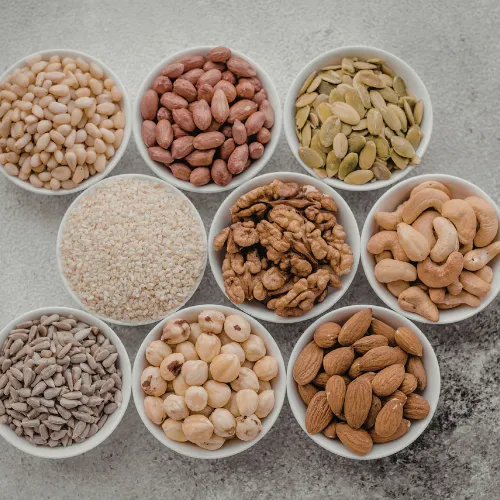
- Nuts such as almonds, walnuts, pistachios, and cashews
- Seeds such as flaxseed, chia seeds, sunflower seeds, and hemp seeds
- Vegetable oils, including olive oil, canola oil, sunflower oil, safflower oil, and avocado oil
- Plant-based spreads, dressings, sauces, and blended food preparations
- Soy foods, legumes, and certain grain-based foods containing naturally occurring fats
These foods are often incorporated consistently into meals, snacks, and cooking practices over time.
How plant-based oils are commonly used
Plant-based oils are most commonly associated with cooking, sautéing, baking, dressings, sauces, marinades, and meal preparation routines.
Because these oils are integrated directly into food preparation, they are usually experienced as part of broader eating habits rather than as separate decisions about fat intake.
This close connection to meals helps explain why plant oils are often discussed through long-term dietary structure rather than isolated nutritional events.
How plant-based fats are categorized
Plant-based oils and foods may contain varying proportions of saturated, monounsaturated, and polyunsaturated fats depending on the source.
For example:
- Olive oil is commonly associated with monounsaturated fats
- Flaxseed oil is often discussed in relation to omega-3 fatty acids
- Sunflower and safflower oils are frequently associated with omega-6 fatty acids
- Coconut oil is commonly discussed in relation to saturated fat content
Although these associations are useful organizational tools, most plant foods naturally contain mixtures of several fat types rather than one isolated category alone.
For more on how fats are structurally categorized, see Saturated, Monounsaturated, and Polyunsaturated Fats.
How plant-based fats compare to marine oils
Plant-based fats are often discussed alongside marine oils because both categories contribute polyunsaturated fats and are commonly encountered through food oils and supplement products.
However, plant oils and marine oils differ in source and fatty acid composition. Plant-based oils are more commonly associated with ALA and broader vegetable oil patterns, while marine oils are more closely associated with EPA and DHA.
These distinctions help organize fatty acid discussions without treating plant and marine oils as completely separate nutritional systems.
For more on marine-derived oils, see Understanding Fish Oil and Marine-Based Supplements.
How plant-based fats appear in supplements
Plant-derived oils are also widely used in supplements. Flaxseed oil, algae oil, hemp oil, evening primrose oil, black currant seed oil, and blended plant oil products are common examples.
These products are often positioned as concentrated forms of fats that already exist within broader food patterns and dietary routines.
In many cases, plant-based oil supplements function as extensions of ordinary fat intake rather than as entirely separate nutritional systems.
Why plant-based fat discussions can feel confusing
Plant-based fat discussions can sometimes feel complicated because oils are categorized in several overlapping ways at once. Oils may be discussed by food source, omega fatty acid profile, cooking use, dietary pattern, or supplement format, depending on the context.
At the same time, modern nutrition conversations often mix culinary discussions with supplement terminology, making the category feel broader and less clearly defined.
At a foundational level, however, plant-based fatty acid sources are simply foods and oils that contribute fats through recurring eating patterns and meal preparation habits.
How plant-based fats fit into dietary patterns
Plant-based fats are strongly connected to broader dietary patterns because they are integrated directly into meals and cooking practices. Vegetarian, vegan, Mediterranean-style, and flexitarian eating patterns often emphasize different plant-based oils and food combinations.
At the same time, plant oils are widely used across many eating styles regardless of dietary identity.
For a broader look at how eating patterns are categorized and interpreted, see Diet Types Explained.
Food, routine, and long-term consistency
Plant-based fatty acid sources are most useful to understand through broader food structure and long-term eating patterns rather than isolated servings or supplement moments alone. Most people encounter plant oils repeatedly through cooking, packaged foods, sauces, dressings, nuts, seeds, and meal preparation.
This broader perspective helps keep plant-based fat discussions grounded in food habits, culinary patterns, and dietary structure rather than reducing fats to isolated nutrient categories.
Bringing it together
Plant-based oils and fatty acid sources represent one of the primary ways fats are incorporated into everyday nutrition through foods, cooking oils, seeds, nuts, and meal preparation habits.
These oils and foods are commonly categorized according to source, omega composition, and broader dietary patterns. Still, they are generally best understood through long-term eating structure rather than isolated intake alone.
Understanding plant-based fatty acid sources within the broader context of fatty acids and lipid-based supplements helps connect foods, oils, supplements, and daily routines into a larger picture of how fats are experienced over time.

 Session Expired from Inactivity