


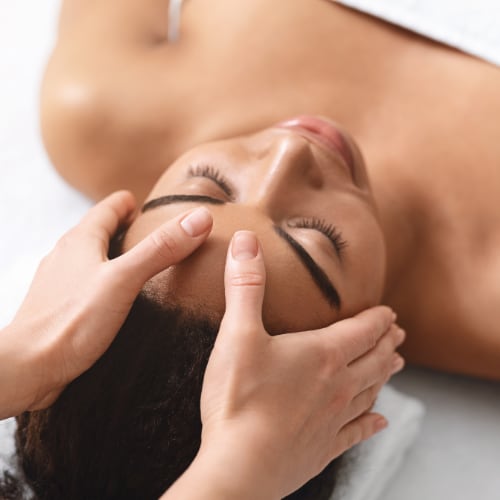
Acupressure for Relaxation, Stress Relief, and Emotional Balance
Acupressure is a simple, hands-on practice that supports the nervous system and helps the body return to a steadier state. Many people use it to ease tension, quiet the mind, and create a sense of calm throughout the day, especially during periods of prolonged effort, worry, or physical strain.
How modern stress develops
Modern stress tends to be chronic rather than brief. Instead of rising and falling, stress signals often remain active for long periods. This shift reflects how daily life has changed over the past few decades, with longer work hours, constant stimulation, and fewer natural pauses for recovery. These patterns are described in our broader look at how stress has evolved over the last century. When stress signals stay elevated, the body has a harder time settling, which can lead to tight shoulders, shallow breathing, restlessness, irritability, or feelings of anxiety.
How stress affects the body
Chronic stress also shapes how the body manages inflammation, a relationship explained in our guide on the role of inflammation in long-term health. Persistent tension and alertness can disrupt sleep, digestion, emotional steadiness, and overall resilience. These reactions reflect the body's effort to remain prepared, even after the original stressor has passed.
Many people also notice that chronic stress affects their thought patterns, making worries feel larger or harder to shake. Understanding this mind-body relationship provides useful context for using acupressure and other calming habits. Some individuals find it helpful to explore approaches that support a steadier, healthier mindset as part of restoring emotional balance.
What acupressure is
Acupressure comes from traditional Chinese medicine and uses gentle pressure on specific points along the body's energetic pathways. These points influence circulation, muscle tension, and nervous system activity. Unlike acupuncture, acupressure is performed without needles and can be practiced at home.
Why people use it
- To ease physical tension that builds during long periods of sitting or stress
- To support emotional balance during busy or anxious moments
- To help the body settle before sleep
- To complement breathing exercises, mindfulness, or self-massage
Many of these benefits overlap with everyday habits that support emotional steadiness and stress regulation. Acupressure becomes especially effective when it is one part of a simple routine for caring for both the body and the mind, and some people pair it with gentle hands-on work such as massage therapy to help loosen tension and encourage deeper relaxation.
Key acupressure points for calming the nervous system
These points are commonly used to ease tension, quiet racing thoughts, and support a steadier emotional state.
Yin Tang (between the eyebrows)
This point sits between the eyebrows and is known for its calming effect. Gentle pressure or small circular motions can help settle the mind and soften facial tension. Many people use it when they feel overwhelmed, restless, or unable to focus.
Shen Men (upper ear)
Located in the upper portion of the ear, Shen Men is often used to support relaxation and emotional steadiness. Light pressure or ear massage around this area can help ease stress and soften the body's reactive patterns.
Nei Guan (inner forearm)
This point lies a few finger-widths below the wrist on the inner forearm. It is commonly used to calm the nervous system and reduce feelings of chest tightness or worry. Gentle pressure here pairs well with slow breathing exercises.
How to practice acupressure at home
- Use gentle, steady pressure: Press lightly at first, increasing intensity only if it feels comfortable.
- Pair with slow breathing: Inhale through your nose, exhale slowly, and stay with the point for 20-30 seconds; many people find that simple breathing practices that emphasize a longer, slower exhale deepen the calming effect.
- Move slowly: Small circles or still pressure both work. The goal is calm, not force.
- Practice regularly: A few minutes daily can help build steadier patterns over time.
Many people combine acupressure with grounding routines such as mindful breathing, soft stretching, or simple relaxation practices they can repeat throughout the week. These quiet, predictable habits help signal safety to the nervous system and make it easier for the body to let go of accumulated tension.
When acupressure may be helpful
Acupressure can support:
- Everyday stress and tension from work, screens, or tight schedules
- Difficulty unwinding in the evening
- Restlessness or nervous energy
- Mild worry or emotional heaviness
- Moments of overwhelm during the day
It is not a substitute for medical treatment, especially for clinical anxiety disorders or severe emotional distress, but it can be a gentle, supportive tool alongside professional care. If you have ongoing symptoms, new pain, or questions about whether acupressure is appropriate for you, it is wise to discuss it with your health care practitioner.
Building emotional steadiness through daily habits
Acupressure works best when paired with simple habits that help regulate the nervous system. Gentle movement, such as walking, stretching, or light strength work, helps the body clear stress chemistry more efficiently. Slow, intentional breathing practices, like those described in our guide to using breath to support calm and focus, give the mind a direct way to participate in calming the body.
These everyday practices also fit within our broader Four Foundations framework, which emphasizes nourishing food, regular movement, intentional breathing, and clearer thinking as the bedrock of long-term wellness. When acupressure is woven into this kind of routine, described in more detail in our overview of our Four Foundations framework, it becomes one more steady, repeatable way to help the body recover from stress.
Creating space for calm in daily life
Acupressure offers a practical, accessible way to ease stress and support emotional steadiness. A few minutes of gentle pressure each day can help quiet tension, clear the mind, and create space for calmer habits to take root. This small practice fits naturally into a broader approach to well-being grounded in simple, consistent routines.

 Session Expired from Inactivity

