Understanding Proprietary Blends
Some supplements are built around a single ingredient, while others combine multiple ingredients into a single formulation. This distinction is often presented as a difference in complexity, but it is better understood as a difference in how products are structured and described. Understanding how single-ingredient and blended supplements are organized helps clarify how these products are positioned in everyday routines.
Within the broader category of specialty compounds and targeted supplements, this distinction reflects how products are grouped and presented rather than a difference in category.
What single-ingredient supplements are
Single-ingredient supplements focus on one specific compound. This may be a vitamin, mineral, amino acid, or another isolated substance presented on its own.
These products are typically labeled with the name of the ingredient and a clearly defined amount per serving. This makes it straightforward to identify what is included and how it is measured.
What blended supplements are
Blended supplements combine multiple ingredients into a single product. These ingredients may be grouped based on how the product is described or positioned, such as general support, recovery, or other commonly referenced aspects of daily routines.
Blends can include a small number of ingredients or a larger combination, depending on how the product is formulated. The grouping reflects how the product is organized rather than a single standardized structure.
How these formats are structured
Single-ingredient products are structured around clarity and simplicity. Each serving delivers one compound in a defined amount.
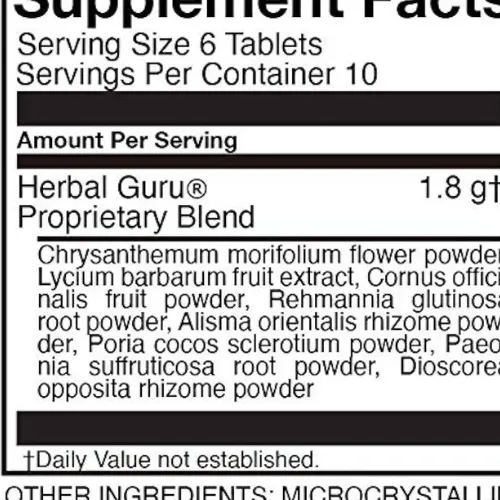
Blended products are structured around combinations. Ingredients are grouped and presented as part of a broader formulation. In some cases, each ingredient is listed with a specific amount, while in others, they are grouped under a combined total.
This difference in structure shapes how products are read and compared rather than indicating that one format is inherently more advanced than the other.
How they are used in everyday routines
Single-ingredient supplements are often used when a product is centered around one compound. Their use is typically tied to that specific ingredient and how it fits into a routine.
Blended supplements are often used when multiple ingredients are grouped within one product. This allows them to be incorporated as a single step within a routine rather than using separate products for each component.
These patterns reflect how products are organized and used rather than a fixed approach that applies in all situations.
How labeling differs between formats
Single-ingredient products usually list one compound with a clearly defined amount per serving. This makes the label straightforward to interpret.
Blended products may list multiple ingredients individually or group them within a combined section. In some cases, blends are presented as proprietary groupings, which can change how the total composition is displayed.
Understanding these differences helps explain why labels can look more complex for blended products. The structure reflects how ingredients are grouped within the formulation rather than the number of individual components. For a broader explanation of how supplements are structured, see single ingredients vs blended supplements.
Bringing it together
Single-ingredient and blended supplements represent two different ways of structuring products. One focuses on a single compound with clear labeling, while the other combines multiple ingredients into a single formulation.
Recognizing this distinction helps clarify how supplements are organized and how they are commonly used within everyday routines. Related concepts, such as how targeted products are positioned or how the same ingredient appears across different categories, further explain how these formulations are grouped and described in practice.

 Session Expired from Inactivity