Understanding Dietary Fats: What's Healthy, What's Not, and What the Guidelines Say
For decades, we were told to fear fat. Butter, red meat, and eggs were labeled as villains while margarine and low-fat snacks filled the shelves. Yet science has shifted. Not all fats are the same-and some are vital for good health. Understanding which fats help or harm can reshape how we eat and how we think about nutrition itself.
The Basics of Dietary Fat
Fats are one of the body's primary fuel sources, supporting cell membranes, hormone production, and absorption of fat-soluble vitamins A, D, E, and K. Chemically, fats differ by the number and type of bonds between carbon atoms. These variations influence how they behave in food and in the body.
There are four main types of dietary fats: saturated, monounsaturated, polyunsaturated, and trans fats. Each plays a different role in health, depending on the source, quantity, and overall dietary pattern.
Good Fats vs. Less Healthy Fats
Unsaturated Fats - The Supportive Kind
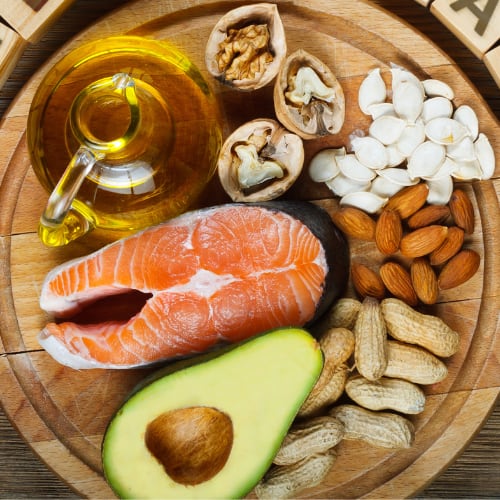
Unsaturated fats-both monounsaturated and polyunsaturated-are generally associated with heart and metabolic health. They are found in foods like olive oil, avocados, nuts, seeds, and fatty fish such as salmon and mackerel. These fats may help lower LDL ("bad") cholesterol and support cardiovascular function when used in place of saturated fats. Incorporating them naturally aligns with the principle of eating whole foods to nourish your body.
Saturated and Trans Fats - Proceed with Awareness
Saturated fats are found in animal products such as butter, cheese, and meat, as well as tropical oils like coconut and palm. While long labeled as harmful, current evidence suggests the issue isn't black-and-white. Moderation and food context matter-processed foods and refined carbohydrates often pose a greater risk than occasional butter or meat from quality sources.
Trans fats, on the other hand, are unequivocally harmful. Industrially produced trans fats raise LDL cholesterol and lower HDL ("good") cholesterol, increasing cardiovascular risk. They've been largely phased out of U.S. food production, but it's still wise to check labels for "partially hydrogenated oils." These harmful fats also contribute to chronic, low-grade inflammation-one of the body's hidden drivers of disease-further linking poor fat quality to the systemic imbalances explored in inflammation and modern disease.
How the U.S. Guidelines Treat Fats
Who Sets the Rules
The Dietary Guidelines for Americans are issued every five years by the U.S. Department of Agriculture (USDA) and the Department of Health and Human Services (HHS). They're shaped by an expert advisory committee that reviews evidence on nutrition and health outcomes. These guidelines influence school lunches, public health programs, and food labeling standards nationwide.
Current Recommendations
The guidelines recommend limiting saturated fat to less than 10% of total calories, while emphasizing replacement with unsaturated fats rather than refined carbohydrates. The American Heart Association goes further, suggesting less than 6% for individuals managing cholesterol. The focus has shifted from simply eating "low-fat" to choosing better fats as part of a balanced diet.
The Meat, Eggs, and Butter Debate
For years, meat, eggs, and butter were portrayed as dietary threats due to their saturated fat and cholesterol content. However, research now paints a more nuanced picture. Eggs, for example, contain valuable nutrients and modest levels of saturated fat. Red meat quality, portion size, and frequency matter more than outright avoidance.
Whole, minimally processed foods-whether animal or plant-based-fit better into a healthy pattern than ultra-processed substitutes. What matters most is the overall composition of the diet: plenty of vegetables, fiber, and unsaturated fats with moderate, mindful use of animal products.
The Latest Shifts and Emerging Perspectives
As the next Dietary Guidelines (2025-2030) are being developed, discussions continue about whether the decades-long fear of dietary cholesterol and saturated fat should be further relaxed. Groups like "Make America Healthy Again" advocate for clearer, more balanced public messaging that acknowledges whole foods like eggs and dairy as part of a nutrient-dense diet when consumed in moderation.
The shift reflects a broader truth-nutrition science evolves. Guidelines once shaped by limited data and industry influence are now reevaluated through the lens of modern evidence, emphasizing quality, diversity, and metabolic health over simple restriction. Much of this confusion stems from how industrialized eating patterns have reshaped our biology and fueled chronic illness, a theme explored more deeply in the connection between modern lifestyles and chronic disease.
Practical Tips for Eating Fats Wisely
- Favor whole-food fat sources: nuts, seeds, avocado, olive oil, and fatty fish.
- Use butter sparingly; prefer olive or avocado oil for most cooking.
- Minimize highly processed and fried foods that may contain residual trans fats.
- Include omega-3-rich foods at least twice per week to support heart and brain health.
- Replace refined carbs with healthy fats rather than cutting calories excessively.
Common Myths and Misconceptions
- Myth: "All fat is bad."
Truth: Healthy fats are essential for hormone balance, brain function, and energy regulation. - Myth: "Eating fat makes you fat."
Truth: Weight gain is more about total caloric intake and food quality than fat content alone. - Myth: "Butter and red meat should be avoided completely."
Truth: High-quality animal foods can be part of a balanced diet when portioned wisely.
Integrating Fats into the Four Foundations of Wellness
Choosing the right fats supports every aspect of wellness. Whole-food fats nourish the body ("Eat"), support sustained energy for movement ("Move"), stabilize mood and stress response ("Breathe"), and promote clarity and emotional balance ("Think"). When these four foundations are in place, healthy fat intake becomes part of a resilient, sustainable lifestyle rather than a restrictive diet.
Smart Supplementation and Personalized Wellness
Once foundational habits are solid, strategic tools like smart supplementation and personalized wellness can refine results. For example, omega-3 or krill oil supplements may help bridge nutrient gaps, and fatty acid profile testing can guide individualized nutrition decisions. These steps enhance lifestyle-not replace it.
Healthy Fat Habits for Everyday Life
- Cook with olive or avocado oil instead of butter when possible.
- Snack on nuts, seeds, or olives instead of chips or pastries.
- Enjoy eggs and lean meats as part of a balanced meal rather than fearing them.
- Read labels carefully to avoid hidden hydrogenated oils or excess added sugars.
Eating Fat Wisely for a Healthier Future
Fat is not the enemy-it's an essential part of the human diet. The real challenge lies in choosing the right kinds, from the right sources, in the right amounts. By focusing on quality, balance, and whole foods, we can reclaim fat's rightful place in a healthy lifestyle. When we view fat through the lens of metabolic health, it becomes clear that the goal isn't restriction but resilience-building a body that uses energy efficiently and stays adaptable over time, a core principle of metabolic health.

 Session Expired from Inactivity