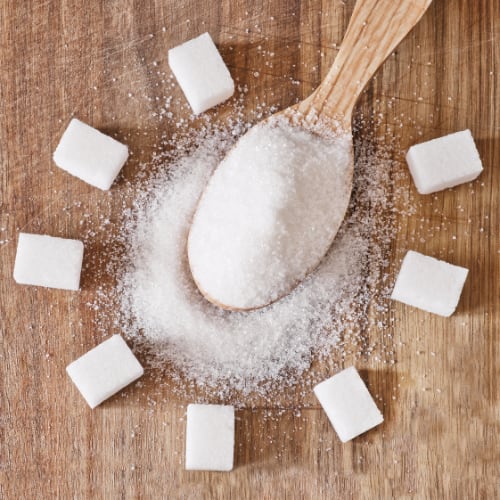
Sugar and Fructose: Its Effects on the Body
Sugar is a common ingredient in many foods and beverages, and it's no secret that consuming too much sugar can have negative effects on the body. But what exactly are those effects, and how does fructose, a type of sugar, play a role? In this article, we'll explore the effects of sugar and fructose on the body and how to make healthier choices for your overall health.
The Effects of Sugar on the Body
Weight Gain and Obesity
One of the most well-known effects of sugar on the body is weight gain and obesity. Consuming too much sugar can lead to an increase in body fat, especially in the abdominal area. This is because sugar is high in calories and can contribute to an overall increase in calorie intake. Additionally, sugar can also lead to insulin resistance, which can make it harder for the body to regulate blood sugar levels and can contribute to weight gain.
Increased Risk of Type 2 Diabetes
Excessive sugar consumption has also been linked to an increased risk of developing type 2 diabetes. This is because sugar can cause insulin resistance, which can lead to high blood sugar levels and eventually, type 2 diabetes. In fact, a study found that people who consumed the most sugar had a 26% higher risk of developing type 2 diabetes compared to those who consumed the least amount of sugar.
Negative Effects on Heart Health
High sugar intake has also been linked to negative effects on heart health. Consuming too much sugar can lead to an increase in blood pressure, triglycerides, and LDL cholesterol levels, all of which are risk factors for heart disease. Additionally, sugar can also contribute to inflammation in the body, which can further increase the risk of heart disease.
Increased Risk of Certain Cancers
Research has also shown that consuming too much sugar can increase the risk of certain types of cancer. This is because sugar can contribute to inflammation in the body, which can promote the growth of cancer cells. Additionally, sugar can also lead to weight gain and obesity, which are risk factors for certain types of cancer.
The Role of Fructose in Sugar
Fructose is a type of sugar that is found in many fruits and vegetables, as well as in processed foods and beverages. While fructose is a natural sugar, consuming too much of it can have negative effects on the body.
Increased Risk of Non-Alcoholic Fatty Liver Disease (NAFLD)
One of the main concerns with consuming too much fructose is its effect on the liver. When fructose is consumed in excess, it is converted into fat in the liver, which can lead to non-alcoholic fatty liver disease (NAFLD). NAFLD is a condition where there is an excessive amount of fat in the liver, which can lead to inflammation and scarring of the liver.
Insulin Resistance and Type 2 Diabetes
As mentioned earlier, consuming too much sugar, including fructose, can lead to insulin resistance and an increased risk of type 2 diabetes. This is because fructose can cause the liver to produce more glucose, which can lead to high blood sugar levels and eventually, insulin resistance.
Increased Risk of Gout
Gout is a type of arthritis that is caused by high levels of uric acid in the blood. Consuming too much fructose has been linked to an increased risk of gout, as fructose can increase the production of uric acid in the body. This can lead to painful inflammation in the joints, especially in the big toe.
Negative Effects on Cholesterol Levels
Fructose has also been shown to have negative effects on cholesterol levels. Consuming too much fructose can lead to an increase in triglycerides and LDL cholesterol levels, both of which are risk factors for heart disease.
Making Healthier Choices
Limit Processed Foods and Beverages
One of the best ways to reduce your sugar and fructose intake is to limit processed foods and beverages. These products often contain high amounts of added sugars, which can contribute to weight gain and other negative effects on the body. Instead, opt for whole, unprocessed foods and beverages like fruits, vegetables, and water.
Read Labels and Choose Low-Sugar Options
When shopping for food and beverages, it's important to read labels and choose low-sugar options. Look for products that have little to no added sugars and opt for natural sweeteners like honey or maple syrup instead. Additionally, choose whole fruits over fruit juices, as they contain more fiber and less sugar.
Incorporate More Whole Foods into Your Diet
Incorporating more whole foods into your diet can also help reduce your sugar and fructose intake. Whole foods like fruits, vegetables, whole grains, and lean proteins are not only lower in sugar, but they also provide essential nutrients and fiber that can help keep you feeling full and satisfied.
Be Mindful of Portion Sizes
Lastly, it's important to be mindful of portion sizes when consuming foods and beverages that contain sugar and fructose. While these ingredients are not inherently bad, consuming too much of them can have negative effects on the body. Be sure to practice portion control and listen to your body's hunger and fullness cues.
Conclusion
Sugar and fructose can have negative effects on the body when consumed in excess. From weight gain and obesity to an increased risk of type 2 diabetes and heart disease, it's important to be mindful of our sugar and fructose intake. By making healthier choices and incorporating more whole foods into our diet, we can reduce our sugar and fructose intake and improve our overall health.

 Session Expired from Inactivity