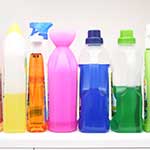
So What's The Big Deal About Chemical Cleaners?
Retired
The brand names you know and trust, may not be that trustworthy when it comes to cleaning your home.
When you get a cold, what do you reach for? Lysol. When the kids spill grape juice on the tile floor, who do you call? Swiffer. When you want your woodfurniture to last for generations, what do you use? Pledge.
We all have grown up with certain brand names that are synonemous with clean, but you will probably be surprised, as I was, that reaching for that can of cleaner may actually be risking you and your family more than you bargained for. I remember my grandmother using only household products like vinegar and baking soda to clean, and I have often wondered, why we are so enamored with commercial cleaning products. According to the Environmental Health Association of Nova Scotia:
Prior to WWII most household cleaning tasks were accomplished using relatively safe ingredients commonly found in most homes. With the proliferation of petroleum-based chemicals after the war, corporations began to manufacture ready-made cleaning products. Today, most people are accustomed to buying a wide range of products custom-designed for the many surfaces, materials and rooms in their homes.
That's all well and good, until you start to read the labels. Then you start reading words like: Chlorine, Ammonia, Formaldehyde, Petrochemicals, Phosphates, Benzene, and 1,4-Dioxane. What the heck is 1,4 Dioxane???? Turns out, a chemical that is quickly absorbed into the skin that is carcinogenic.

 Session Expired from Inactivity