Simple Daily Movement: Easy Exercises for Home and Office
Even a few minutes of movement daily can improve strength, flexibility, balance, and overall well-being. Simple exercises, such as those using a chair or short routines at home or in the office, help adults stay active, support good posture, and maintain their health. No gym is needed-small, consistent steps make staying mobile and healthy achievable for everyone.
Why Movement Matters
Regular movement supports muscle mass, joint health, cardiovascular fitness, and overall mobility. It also helps prevent stiffness, maintain posture, and reduce the risk of falls and injuries. Beyond the physical benefits, consistent activity improves mental clarity, reduces stress, and can elevate mood. Even light movement throughout the day helps counteract the sedentary behaviors that have become common in modern lifestyles, particularly for those who spend long hours at home or in front of screens.
Easy Chair Exercises
Chairs aren't just for sitting-they can be excellent tools for strengthening and stretching your body. Here are several simple exercises you can do using a chair anywhere, whether at home or in the office:
- Seated Leg Lifts: Sit tall with your feet flat and back straight. Lift one leg straight out and hold for 2-3 seconds before lowering it slowly. Repeat 10 times per leg. This strengthens the quadriceps, hip flexors, and core, while improving stability in the lower body.
- Chair Squats: Stand in front of your chair with feet hip-width apart. Lower yourself until your butt lightly touches the seat, then stand back up. Repeat 10-15 times. This targets the glutes, thighs, and lower back while building functional strength for everyday movements, such as standing and bending.
- Seated Torso Twists: Sit upright with feet flat and arms crossed over your chest. Rotate your torso slowly to the right, hold for 2 seconds, then twist to the left. Repeat 10 times. This helps maintain spinal mobility, engages your obliques, and reduces stiffness in the mid-back and torso.
- Calf Raises: Stand behind your chair and hold the backrest for support. Rise onto your toes, hold for a second, and lower slowly. Repeat 15-20 times. Calf raises improve balance, ankle strength, and circulation, which is especially important for those who spend long periods sitting.
- Shoulder Shrugs and Rolls: Sit or stand tall, lift your shoulders toward your ears, hold, and release. Then roll your shoulders forward and backward 10 times. These movements reduce tension, improve shoulder mobility, and promote better posture, which can be affected by hours spent at a desk.
- Seated Marching: While sitting, lift your knees alternately as if marching. Do this for 1-2 minutes. This improves circulation, engages the core, and keeps your hip joints flexible.
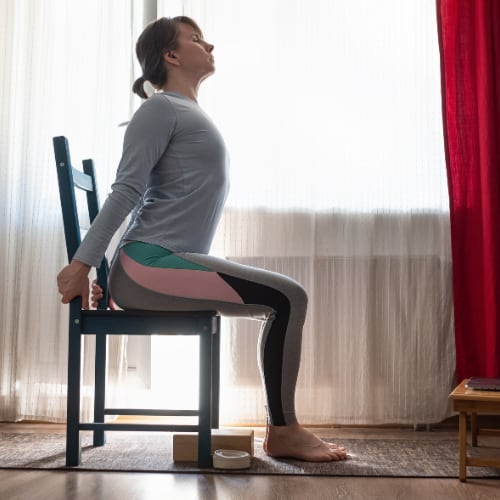
- Chair Chest Opener: Sit with your hands clasped behind your back, gently lift your chest, and squeeze your shoulder blades together. Hold for 10-15 seconds. This stretches the chest and shoulders, counteracting the forward hunch from desk work or phone use.
Incorporating Movement into Your Day
Even a few minutes of activity, spread throughout the day, adds up. Stand during phone calls, walk around the house during TV commercials, or stretch while waiting for your coffee to brew. Habit stacking-linking small movement routines to existing habits, such as brushing your teeth, checking emails, or preparing meals-can make staying active feel natural. The goal is consistency rather than intensity. Regular short bouts of movement maintain strength, flexibility, and cardiovascular health over time.
Keep It Enjoyable
Movement doesn't need to feel like a chore. Listen to your favorite music while exercising, follow short online routines, or make it a playful challenge by tracking your progress. Enjoyable activities are more likely to become long-term habits. Whether dancing in the living room, doing simple stretches between Zoom meetings, or using a chair for light resistance exercises, the key is to move engaging and fun.
Stretching and Flexibility
Flexibility is often overlooked but is essential for reducing injury risk and maintaining independence with age. Gentle stretches, such as hamstring reaches, shoulder rolls, and seated torso twists, improve joint mobility and muscle elasticity. Even brief sessions of 5-10 minutes each day can help maintain functional movement, ease stiffness, and prepare your body for daily tasks such as bending, reaching, or lifting. Pairing flexibility exercises with light strength work creates a balanced, sustainable routine.
Strength Training for Daily Life
Strength training is important for all ages, particularly for adults 40+. Bodyweight exercises, such as chair squats, wall push-ups, or standing leg lifts, target the muscles used in everyday activities. Maintaining strength helps with balance, stability, and endurance for activities like carrying groceries, climbing stairs, or gardening. You don't need heavy weights or gym equipment to see meaningful improvements-consistency and proper form are what matter most.
Final Thoughts: Move a Little Every Day
Your body thrives on movement. Even short sessions of stretching, strengthening, or walking contribute to long-term health and independence. Prioritizing movement, regardless of your current abilities, supports strength, flexibility, balance, and mental clarity. Start small, enjoy the process, and remember that some activity every day is better than none. Over time, these small choices accumulate into a healthier, more active lifestyle.

 Session Expired from Inactivity