Maintaining Functional Movement for Adults: Simple Ways to Stay Active
As we age, it's easy to fall into a routine of sitting more and moving less. Over time, our bodies adapt to the lifestyle we lead, both the positive and negative habits we form. The good news is that adding regular movement to our daily lives can significantly improve our strength, flexibility, and overall health. In this post, we'll explore how even small changes in your daily routine can help you maintain the functional movement needed for a healthy, active lifestyle-no gym required.
The Positive Effects of Movement and Exercise on the Body
The Power of Consistency
Our bodies are incredibly adaptive, which means the more we move, the stronger and more flexible we become. Regular exercise-whether it's strength training, stretching, or cardiovascular activity-helps build muscle, increase endurance, and maintain flexibility. Even simple movements, when done regularly, have profound benefits. Over time, consistency improves balance, coordination, and posture, reducing the risk of falls and injury, especially as we age.
Strength and Flexibility
Strength training helps maintain muscle mass and bone density, which are essential for maintaining physical function as we get older. Flexibility exercises, such as stretching or yoga, help keep joints supple and reduce stiffness, improving range of motion. The combination of these two areas-strength and flexibility-creates a solid foundation for functional movement, allowing you to do the things you love, like lifting groceries, playing with grandchildren, or going for walks.
The Negative Impact of Sedentary Lifestyles
What Happens When Movement Decreases?
Over time, a sedentary lifestyle leads to a decrease in muscle mass, flexibility, and cardiovascular health. As we stop using certain muscle groups, they weaken and shorten, leading to stiffness and discomfort. Lack of movement also affects posture, leading to back pain, poor circulation, and diminished energy. In some cases, inactivity may result in the loss of functional abilities, making everyday tasks more difficult and increasing the risk of chronic health conditions.
The Vicious Cycle
When we stop moving, we often start to feel less capable, which makes us even less likely to engage in physical activity. The longer we stay sedentary, the harder it becomes to break the cycle. The key is to start somewhere-no matter how small-and gradually build habits that will serve us for life.
Functional Movement and Its Importance
What Is Functional Movement?
Functional movement refers to exercises and activities that mimic real-life actions-things like bending, lifting, walking, and reaching. These movements help strengthen the muscles and joints used in daily activities. Think about your favorite hobbies-whether it's hiking, gardening, dancing, or even just walking your dog. Functional movement training ensures your body stays capable of handling the physical demands of these activities.
Maintaining the Ability to Enjoy Life
As we age, our physical fitness plays a direct role in whether we can continue to enjoy these activities. By incorporating movement into our daily routines, we can continue to do what we love, whether it's picking up groceries, playing sports, or simply moving comfortably through our day.
Simple Exercises and Movements You Can Do at Home
Movement Doesn't Have to Be Complicated
You don't need a gym membership or fancy equipment to stay active. Simple exercises can be done at home with little to no equipment and can easily fit into your daily routine.
Strength Exercises
Bodyweight exercises like squats, lunges, and push-ups are excellent for maintaining muscle strength. For those who are just starting, wall squats or modified push-ups (on your knees or against a wall) are a great place to begin.
Flexibility Exercises
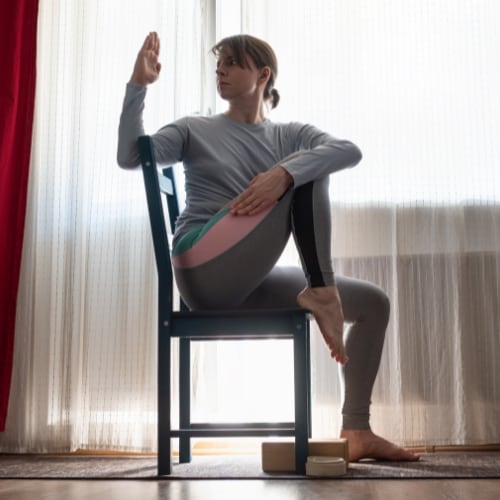
Gentle stretching, yoga, or Pilates can help improve flexibility and reduce tension. A few minutes of stretching each day can make a significant difference in how you feel.
Cardio Exercises
Walking around the block, climbing stairs, or even doing chair marches (marching while seated) can get your heart rate up and improve cardiovascular health.
Creating a Home Exercise Routine
Start small with 10-minute sessions of movement a day. Over time, gradually increase the duration and intensity of your workouts. The key is consistency-set aside time each day to do something physical, whether it's stretching in the morning or a quick strength session before dinner. These small steps add up to significant health benefits over time.
Habit Stacking: Making Movement Part of Your Routine
What Is Habit Stacking?
Habit stacking is a simple but powerful technique where you add a new habit to an existing one. For example, if you already drink coffee in the morning, you could easily incorporate a quick 5-minute stretching routine into your morning routine.
Examples of Habit Stacking for Movement
- After brushing your teeth, do 10 bodyweight squats.
- While watching TV, stand up and march in place or do light stretching during commercials.
- Add a quick walk after dinner to help with digestion and keep your metabolism active.
The Power of Small, Repeatable Movements
The goal is to move a natural part of your day, so it becomes effortless. As you gradually add these small habits, you'll notice improved strength, flexibility, and stamina without the need for a demanding gym schedule.
Starting Today: It Doesn't Matter Where You're Starting From
Just Start Somewhere
If you're feeling unsure or think that your current abilities are too limited to start, remember that the first step is always the hardest. Whether it's 5 minutes of stretching or a 10-minute walk, just get moving.
Movement is Medicine
Don't let age or limitations stop you from moving. Movement is medicine-it keeps our bodies functioning well and helps prevent decline. The more we move, the better we feel, both physically and mentally. The goal is not perfection, but progress. Start today, and watch how your body adapts and improves over time.
Keep Moving, Keep Living
Functional movement is essential to maintaining an active and fulfilling life as we age. Whether you're starting with simple stretches or bodyweight exercises, the key is consistency. Don't worry about where you start-just start moving, and let your body adapt. By moving a part of your daily routine, you'll not only improve your physical strength and flexibility, but you'll also enhance your ability to enjoy the activities that make life enjoyable. Movement is medicine, and it's never too late to begin.

 Session Expired from Inactivity