How Digestive Enzymes Are Used with Meals
Digestive enzymes are often discussed as part of how the body breaks down food, but they are also available as supplements. These products are typically used alongside meals rather than as standalone additions. Understanding how digestive enzymes are used in everyday routines helps clarify where they fit within broader eating patterns.
What digestive enzymes are
Digestive enzymes are proteins that help break down carbohydrates, proteins, and fats during digestion. The body naturally produces these enzymes as part of the digestive process.
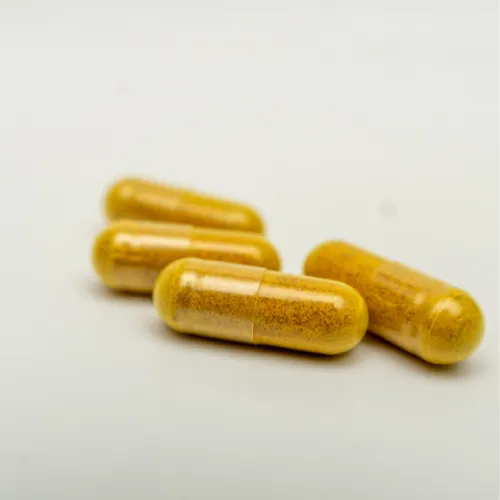
Supplemental enzymes are designed to provide additional enzyme activity in a structured format. They are typically grouped based on the types of food components they act on.
How enzymes are taken with meals
Digestive enzyme supplements are usually taken at the beginning of a meal or alongside the first few bites of food. This timing reflects how enzymes interact with food as it moves through the digestive process.
Because they are tied to food breakdown, their use is generally connected to specific meals rather than being taken at unrelated times.
Broad-spectrum and targeted enzyme blends
Some enzyme supplements are described as broad-spectrum, meaning they include a range of enzymes that act on different types of macronutrients. These products are often positioned for general use alongside mixed meals.
Other formulations focus on specific types of enzymes, such as those that act primarily on proteins, fats, or carbohydrates. These are often used in more targeted ways depending on meal composition.
This distinction reflects how enzyme products are organized rather than indicating that one format is universally better than another.
How meal composition influences use
The types of foods included in a meal can influence how enzyme supplements are discussed and used. Meals that contain a mix of macronutrients are often associated with broad-spectrum enzyme blends.
More specific meal patterns may be associated with targeted enzyme formulations. This connection between food composition and enzyme type helps explain how these products are positioned in everyday use.
How enzymes differ from probiotics
Digestive enzymes and probiotics are often mentioned together, but they serve different roles. Enzymes help break down food, while probiotics are living microorganisms.
This difference is reflected in how they are used. Enzymes are typically taken with meals to support digestion, while probiotics are often incorporated into daily routines more broadly.
These categories are often discussed together even though they serve different roles. For a broader explanation of how probiotics, prebiotics, and enzymes are related, see why probiotics, prebiotics, and enzymes are often discussed together.
Bringing it together
Digestive enzymes are commonly used alongside meals as part of how food is broken down during digestion. Their use is closely tied to timing and meal composition rather than being separate from eating patterns.
Understanding how enzyme supplements are used in everyday routines helps place them within the broader context of digestion and daily habits.
Related education
Digestive enzymes are closely tied to how food is processed during meals and how digestion functions as part of daily life. This series explains how digestive patterns develop and how they relate to everyday routines.

 Session Expired from Inactivity