The Hidden Dangers of Seed Oils and Artificial Dyes
Retired
As the MAHA (Make America Healthy Again) movement gains momentum, many are questioning their food choices. Artificial dyes and seed oils have been under scrutiny for their potential role in contributing to chronic diseases. This post will examine the risks associated with these ingredients and provide healthier alternatives. However, it's essential to consider the foods they're found in-ultra-processed foods, refined carbs, and deep-fried items are unhealthy, even if you substitute them with healthier oils and dyes. The focus should be on whole, natural ingredients, with healthier substitutes used in moderation and as part of minimally processed dishes.
Understanding Seed Oils: The Debate
What are Seed Oils?
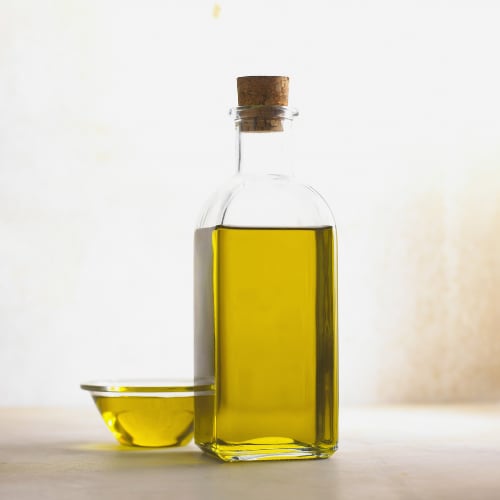
Seed oils are oils derived from plants, often from sunflower, canola, soybean, and corn. These oils are widely used in processed foods, frying, and baking due to their low cost and long shelf life. However, the health impact of consuming these oils has been increasingly questioned.
Why Are Seed Oils Considered Unhealthy?
Seed oils are high in omega-6 fatty acids, which, in excess, can promote inflammation in the body. Inflammation has been linked to several chronic conditions, including heart disease, diabetes, and obesity. Additionally, the refining process of these oils, which includes bleaching and deodorizing, can lead to the formation of trans fats, which are known to increase the risk of heart disease.
The Truth About Artificial Dyes
What Are Artificial Dyes?
Artificial dyes are synthetic color additives used in processed foods to enhance their appearance. These dyes, such as Red 40 and Yellow 5, are found in products like candy, beverages, and packaged snacks.
Health Concerns with Artificial Dyes
Several studies have suggested that artificial dyes may be linked to hyperactivity in children, allergies, and even cancer. Some synthetic dyes have been banned in certain countries due to these concerns. It's essential to check labels for these artificial ingredients, especially when feeding children, as they can have a more significant impact on their health.
Healthier Alternatives: Choosing Better Oils
Which Oils Are Better for Cooking and Baking?
- Olive Oil - Rich in monounsaturated fats, it is great for salads, sautéing, and baking at lower temperatures.
- Avocado Oil - High in heart-healthy fats and ideal for high-heat cooking.
- Coconut Oil - Suitable for medium-heat cooking and baking, with added benefits for gut health.
- Grass-Fed Butter or Ghee - Excellent for baking and cooking at higher temperatures, providing a rich source of healthy fats.
Why These Oils Are Better
These oils are rich in healthy fats and antioxidants, helping to reduce inflammation and support overall wellness. Unlike seed oils, which are highly processed and potentially harmful, these alternatives offer nutritional benefits and are less likely to contribute to the development of chronic diseases.
Beef Tallow: A Controversial Choice
What is Beef Tallow?
Beef tallow is rendered fat from cows, and it has been used for centuries in cooking, particularly in frying. It has recently seen a resurgence in popularity among those following ketogenic or carnivore diets due to its high saturated fat content.
The Pros of Beef Tallow
- High Smoke Point - Beef tallow has a high smoke point, making it ideal for frying and sautéing at high temperatures without breaking down into harmful compounds.
- Rich in Saturated Fat - Saturated fats are stable and can help support brain health and hormone production when consumed in moderation.
- Traditional and Natural - Beef tallow is less processed compared to seed oils, making it a more natural fat choice for cooking.
The Cons of Beef Tallow
- High in Saturated Fat - While beneficial in moderation, too much saturated fat may increase LDL cholesterol levels, contributing to cardiovascular disease in some individuals.
- Ethical Considerations - Some may avoid beef tallow due to concerns about animal welfare and the environmental impact of livestock farming.
Is Beef Tallow Healthy?
The healthiness of beef tallow depends on individual dietary needs. For those on high-fat diets like keto, it can be a beneficial cooking fat. However, for others, particularly those with heart disease risk factors, it's best consumed in moderation.
Decoding Food Labels: How to Make Informed Choices
What Should You Look for on Ingredient Labels?
When shopping for healthier food options, it's important to understand food labels. Look out for seed oils and artificial dyes, which are often hidden under names like "partially hydrogenated oils" or specific color additives, such as "Yellow 5" or "Red 40." These are commonly found in packaged snacks, candy, and beverages.
How to Evaluate Ingredient Quality
- Look for whole, natural ingredients - the fewer, the better.
- Choose products with minimal additives, preservatives, or synthetic chemicals.
- Look for certifications like organic or non-GMO for more transparency about food sourcing.
Practical Tips for a Healthier Lifestyle
How to Avoid Artificial Dyes and Seed Oils
Start by reducing your intake of processed foods that contain these harmful ingredients. Opt for whole, minimally processed foods, such as fruits, vegetables, and lean proteins, which are naturally free from these additives.
Making Healthier Food Choices at Restaurants and Fast Food
When dining out, ask for healthier oils like olive oil or avocado oil for cooking. Most restaurants are happy to accommodate requests for more nutritious ingredients. Avoid dishes that are deep-fried or heavily processed.
Be Informed
Making healthier food choices starts with being informed. By understanding the risks associated with seed oils, artificial dyes, and beef tallow, you can make more informed decisions about your health. Take the time to read food labels and choose options that nourish your body. It's all about making small, sustainable changes for a healthier lifestyle.

 Session Expired from Inactivity