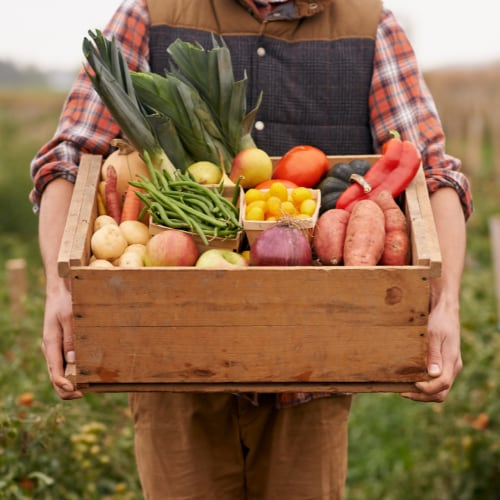
From Farm to Fork: How Fresh Food Can Revive Our Health
The rise in chronic diseases across the United States has highlighted the connection between our diet and overall health. While much of the blame lies with processed and ultra-processed foods, a growing movement advocates for a return to simpler, healthier eating habits rooted in fresh, locally grown food. This "Farm to Fork" approach highlights how our ancestors ate, emphasizes the importance of fresh food, and offers practical steps to help modern families transition to healthier choices. Let's explore how embracing farm-to-fork eating can improve lives and create a healthier future.
The Way We Used to Eat: A Look Back
Food 100 Years Ago
One hundred years ago, most Americans relied on local farms for their food. Meals were made from scratch with fresh ingredients, and there was little reliance on the heavily processed foods that dominate today's diet. Seasonal eating was a way of life, with families preserving excess produce through canning, fermenting, or drying to enjoy during the off-season. This reliance on fresh, unprocessed food provided essential nutrients and kept chronic diseases at bay.
Self-Sufficiency and Seasonal Eating
Back then, self-sufficiency was the norm. People grew their fruits and vegetables, raised livestock, and supported local farmers. The food was free from artificial preservatives, and its freshness was unmatched. Seasonal eating meant consuming produce at its nutritional peak, offering the best flavor and health benefits.
The Current State of Food in the USA
The Rise of Processed Food
With the advent of convenience foods in the mid-20th century, diets began to shift dramatically. Ultra-processed foods became staples, offering affordability and long shelf lives but sacrificing nutritional quality. These foods are now linked to obesity, diabetes, heart disease, and other chronic conditions, with alarming statistics showing their widespread impact on health.
The Problem with Our Food System
Today, much of the food in supermarkets travels thousands of miles before reaching shelves, resulting in reduced freshness and nutritional quality. Additives, preservatives, and sugar make these products palatable and shelf-stable, diminishing their health benefits. As a result, processed food has become the norm, leaving fresh, whole foods as an afterthought for many households.
Benefits of Farm-to-Fork Eating
Healthier Food
Farm-to-fork eating prioritizes fresh, nutrient-rich foods over processed alternatives. These whole foods contain fewer additives and more vitamins, minerals, and antioxidants, supporting better health and reducing the risk of chronic diseases.
Supports Local Economies
When you buy from local farmers, you invest in your community. Supporting small-scale agriculture helps sustain local businesses, create jobs, and strengthen the economy.
Environmental Benefits
Farm-to-fork eating reduces the carbon footprint of your meals by cutting down on the "food miles" needed to transport produce. Additionally, many small farms use sustainable practices that promote soil health, conserve water, and protect biodiversity.
How to Bring Farm-to-Fork Into Your Life
Shop at Farmers' Markets
Farmers' markets are an excellent fresh, seasonal produce source. Look for vibrant fruits and vegetables, pasture-raised meats, and farm-fresh eggs. Buying directly from farmers ensures quality and builds a connection to your food source.
Join a CSA (Community-Supported Agriculture) Program
Community-supported agriculture programs allow you to purchase a share of a local farm's harvest. Each week, you'll receive a box of fresh, seasonal produce. This is a convenient way to access high-quality food while directly supporting farmers.
Grow Your Own Food
You don't need acres of land to grow food. A small garden or a few containers on your balcony can yield fresh herbs, leafy greens, and other vegetables. Growing your food gives you control and can be a rewarding hobby.
Cook at Home
Preparing meals at home allows you to prioritize fresh ingredients. Simple recipes that highlight the natural flavors of whole foods make it easier to embrace farm-to-fork eating. Consider meal prepping to save time during the week while enjoying home-cooked meals.
Practical Tips for Transitioning to Farm-to-Fork Eating
Start Small
If overhauling your diet feels overwhelming, start with small changes. Swap out one processed item weekly for a fresh alternative, like replacing sugary cereal with oatmeal or white bread with whole-grain options.
Read Labels
Learn to identify ultra-processed foods by reading ingredient labels. Choose products with minimal ingredients and avoid added sugars, artificial flavors, or preservatives.
Plan Meals Around Fresh Ingredients
When planning your meals, start with seasonal produce and build your dishes around it. For example, a stir-fry made with fresh vegetables or a salad topped with locally sourced chicken can be both nutritious and delicious.
Conclusion: A Healthier Future Starts Now
Farm-to-fork eating is more than a trend-it's a way to reclaim health and well-being by prioritizing fresh, wholesome food. By supporting local farms, reducing reliance on processed foods, and incorporating small changes into your routine, you can make a meaningful impact on your health and the environment.
As awareness grows around the link between food and health, there's hope for a future where fresh, nutritious food is accessible and affordable. Start your journey today and discover the benefits of connecting with your food, community, and health.

 Session Expired from Inactivity