Liver Care: Cleansing Tips for a Healthier Liver
Retired
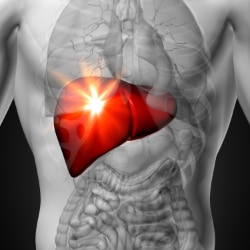
Everything you eat and drink is passed through your liver; it removes toxins from your body and metabolizes your food. It turns fats, carbs, and proteins into energy for your body to use. If you want to have a healthier liver, there are several lifestyle changes you can make. Let's take a look at how to make a tired liver healthy again.
After your skin, your liver is the second largest organ of the body. It sits on the right side of your belly and is responsible for hundreds of bodily functions.
1. Maintain a Healthy Weight
Fatty liver disease is associated with obesity. Being overweight can put you at risk of scarring liver tissue (cirrhosis) and other diseases such as Non-Alcohol Fatty Liver Disease and Liver Cancer.
If you're worried about being overweight, speak to your doctor about exercise and eating plans you can follow to drop some excess pounds.
Our sedentary lifestyles make it difficult to maintain a healthy weight.
Try to incorporate some more movement into your everyday life, whether that's standing up from your desk and stretching for five minutes or taking a brisk walk at lunchtime. Your body (and your liver will thank you for it).
2. Cut Back on Alcohol Consumption
The number one toxin that contributes to scarring of the liver tissue is alcohol. If you regularly drink more than one or two drinks in one sitting, it can destroy your liver cells.
This can cause a fatty liver - the build-up of fat cells in your liver.
Try to limit your alcohol consumption and avoid binge drinking (drinking more than six drinks at a time). Another good habit is to have at least two days in a row every week when you don't drink alcohol.
Want to know how to detox your liver in 3 days? Cut out alcohol completely.
If you go several months without alcohol consumption, your liver has an amazing ability to regenerate itself. The liver is the only organ in the body that has the ability to regenerate damaged cells.
3. Eat Liver Friendly Foods
There are several foods that are great for liver health. These foods promote glutathione production.
Glutathione is an important substance in the liver; it is needed for the immune system and building and repairing tissue.
Try incorporating these foods into your diet:
Foods High in Vitamin E
Foods with a high vitamin E content can help fight the oxidative stress that occurs when your liver is damaged. Eat vitamin E filled foods like salmon, almonds, and avocado.
Antioxidants
Other foods high in liver-loving properties include artichokes, berries, lentils, and beets. These are all foods with high levels of antioxidants which are important for fighting the stress caused to your cells when toxins enter the body.
Drinking green tea is another way to boost your antioxidant consumption.
Fermented Foods
Eating fermented foods can also be helpful for the liver. This is because these foods contain live bacteria, which are good for your gut. Your gut bacteria is responsible for your immune system.
Foods that maintain the microbiome in your gut can help maintain healthy digestion and stop toxins from entering your blood. Which means less work (and thus less damage) for your liver.
Anti Inflammatories
You could also try adding turmeric to your diet as it can help to reduce inflammation in the body.
Cinnamon is another easy way to boost your antioxidant intake and help reduce oxidative stress and inflammation in the body.
4. Sweat It Out
Another excellent way to get rid of toxins in your body is through your sweat. So take some time every day to do exercise that makes you sweat.
This is not only great for taking some of the burden off your liver but also for your overall wellbeing and weight maintenance.
5. Try a Detox for a Healthier Liver
Although there's no substantial evidence to prove a 7-day liver cleanse diet can have a significant effect on improving your liver health, it's worth a try.
A detox essentially means not eating foods that are bad for your health. For example, foods high in saturated fats and sugar. Fried foods and heavily processed foods should also be out.
All of these foods put pressure on your liver. If you try a detox, you should also cut out alcohol.
A liver detox doesn't need to be a fad diet or something that severely restricts your calorie intake. Instead, it's more about making a conscious effort to eat as healthily as possible.
After a few days, you may notice signs of a liver detox working.
More energy, fewer cravings, and feeling less bloated are all signs of successful liver detox. These improvements are because you've cut out processed foods that make you feel lethargic and bloated.
There are liver-specific supplements you can add to your diet to improve liver health. For example, milk thistle is a liver-friendly supplement thought to help promote the health of your liver.
6. Have Regular Check-Ups
To know more about the health of your liver, you can schedule regular checkups with your doctor.
They can run blood tests to give you insight into the health of your biggest internal organ.
Your blood test results will also show the level of cholesterol in your body, which is linked to the health of your liver.
Make Small Longterm Changes
There's no simple, quick fix for building a healthier liver. It's all about small, incremental, positive lifestyle changes.
Maintain a healthy weight, eat a varied and balanced diet, and don't drink too much alcohol. These healthy habits will help to support your overall long-term health and wellbeing.
Need some help getting started building healthy habits? Then take a look at our wellness program.

 Session Expired from Inactivity